
Why is it important to monitor calving?
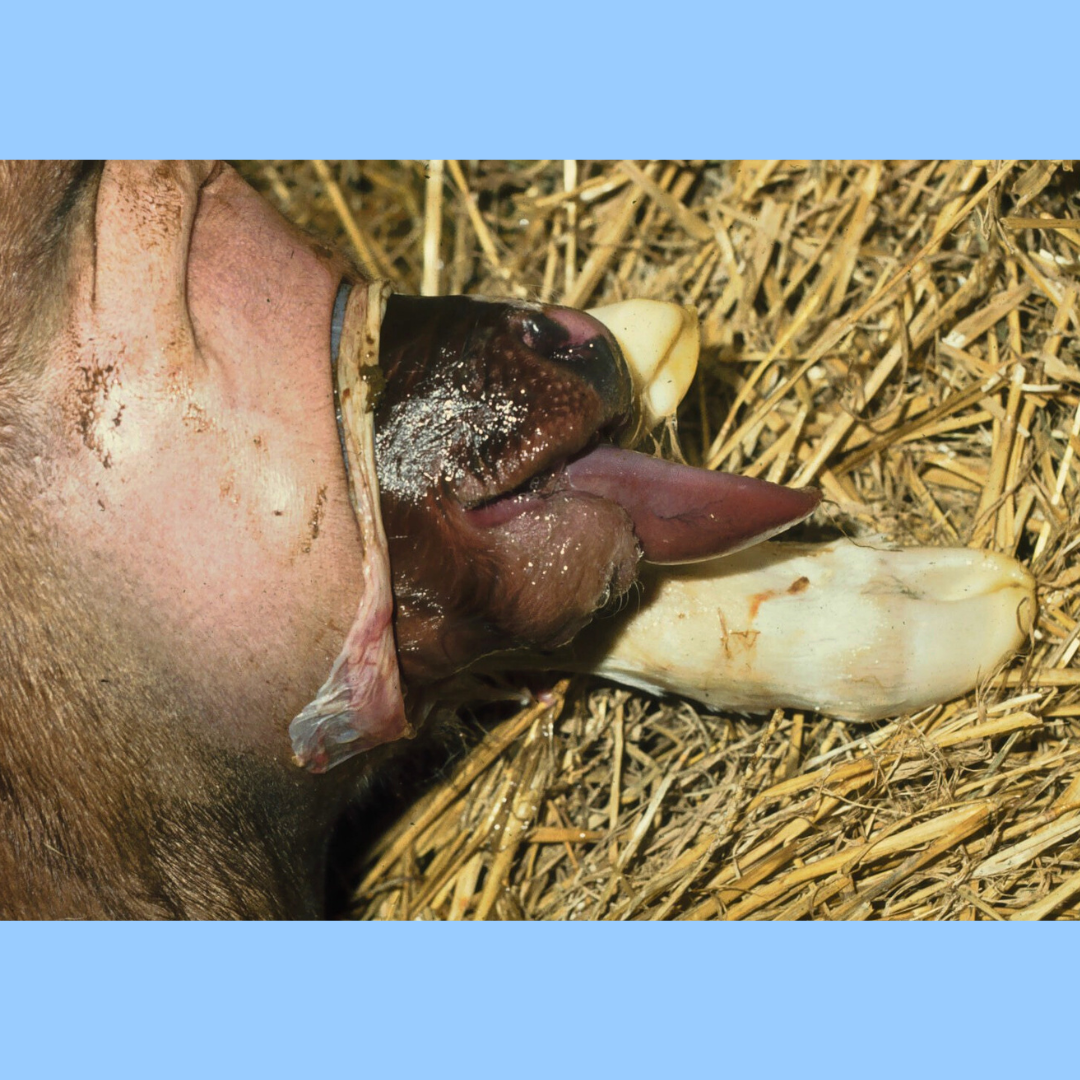
Calving is a crucial event for both the cow and the calf. It cannot be automated and is unique to each individual case.
For the cow, milk yield, uterine involution and fertility are the main priorities after calving. Delays in calving have a negative impact on these factors.
Calves born after difficult births are more susceptible to disease.
Monitoring calving takes time. However, it helps to prevent deaths and illness and improves animal welfare and profitability.
Source: JLU/Repro
Signs of calving
Changes to the external genitalia
Swelling (oedema)
- hormone-related swelling caused by water retention in the tissues; occurs prior to birth, e.g. in the udder or in the external genitalia
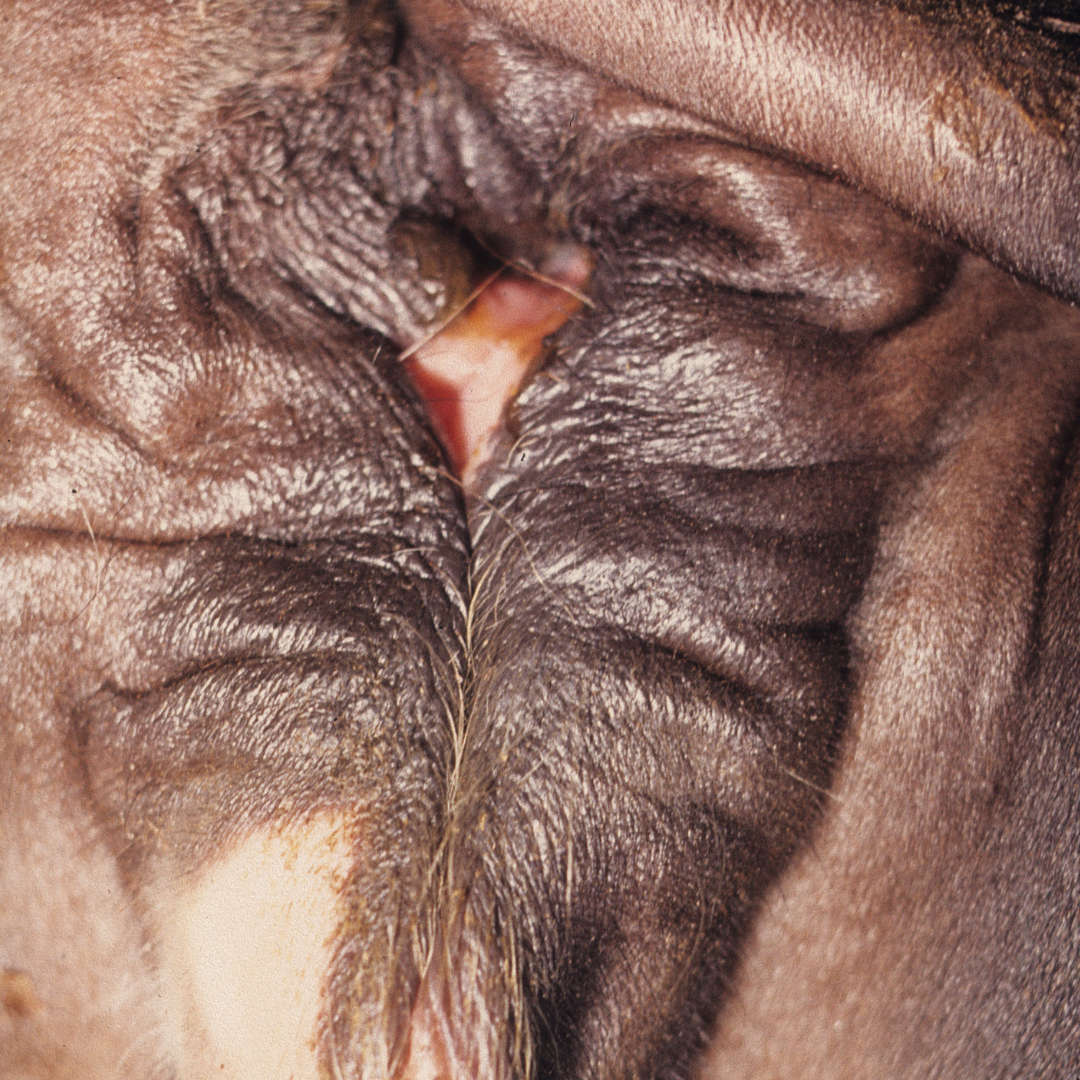
Mucus discharge
- discharge of a thick, usually clear fluid from the vulva; caused by the breakdown of the „mucus plug“, which provides an additional seal over the cervix
Source: JLU/Repro
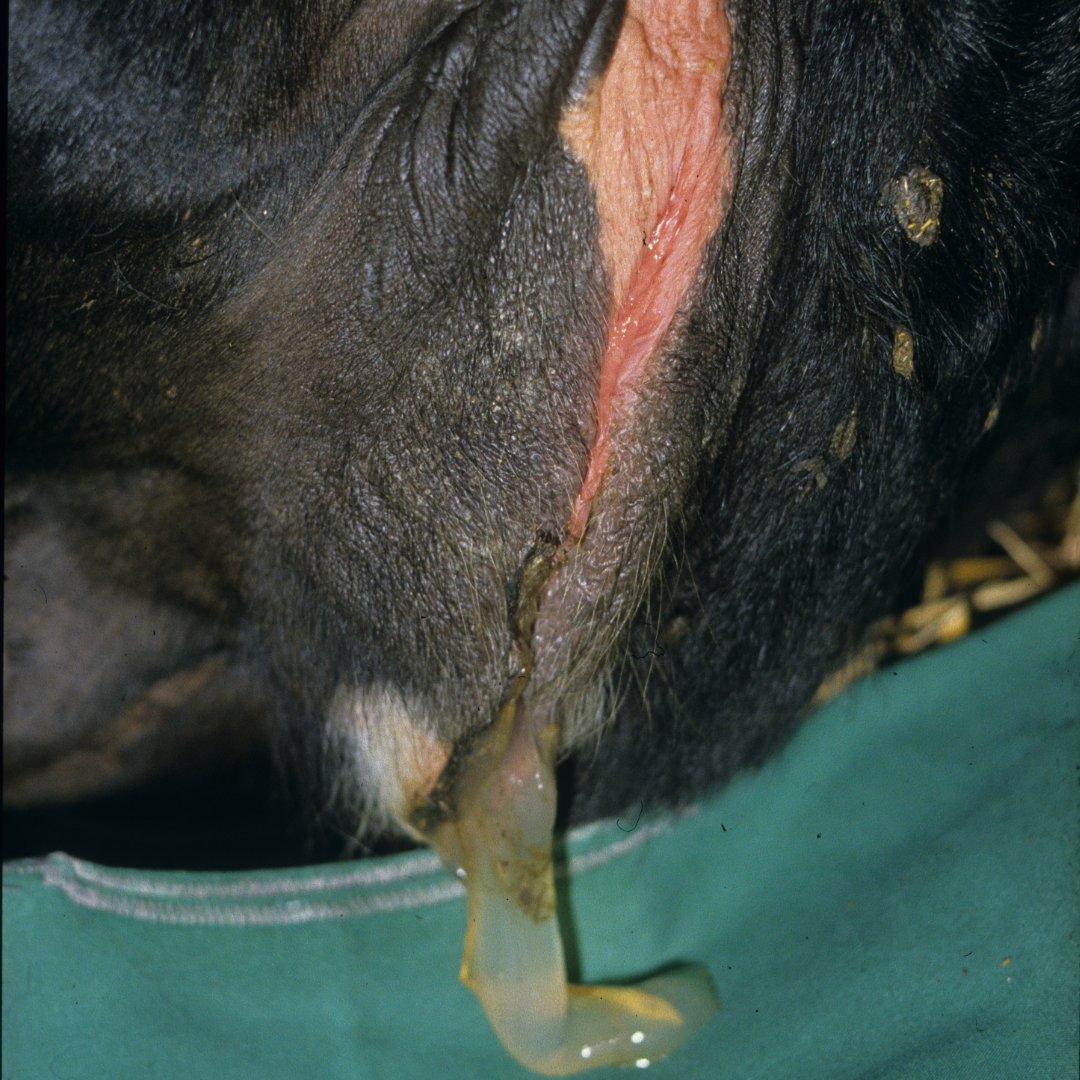
Source: JLU/Repro
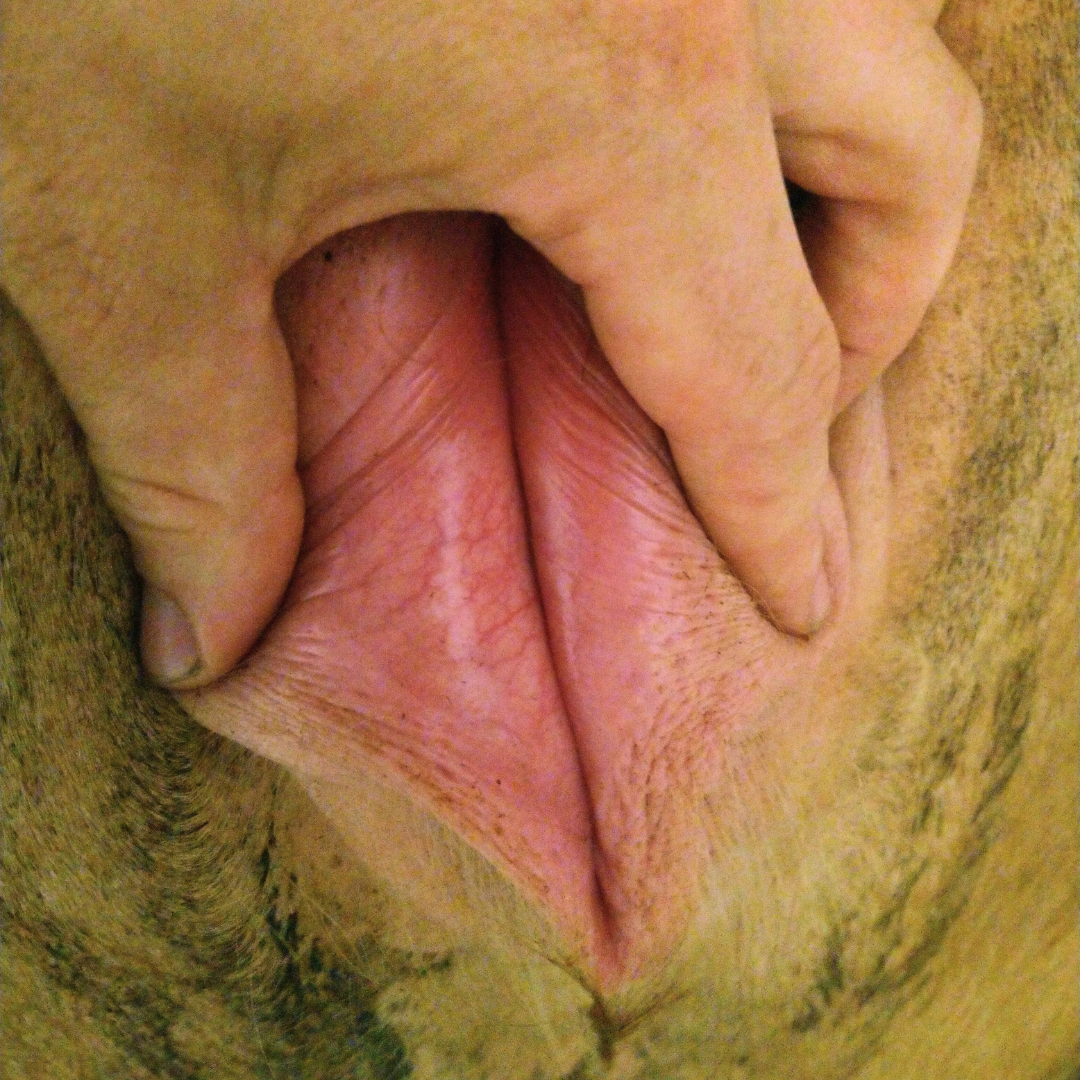
Source: JLU/Repro
Changes in the pelvic region
Loosening of the broad pelvic ligaments
Flexibility of the tip of the tail
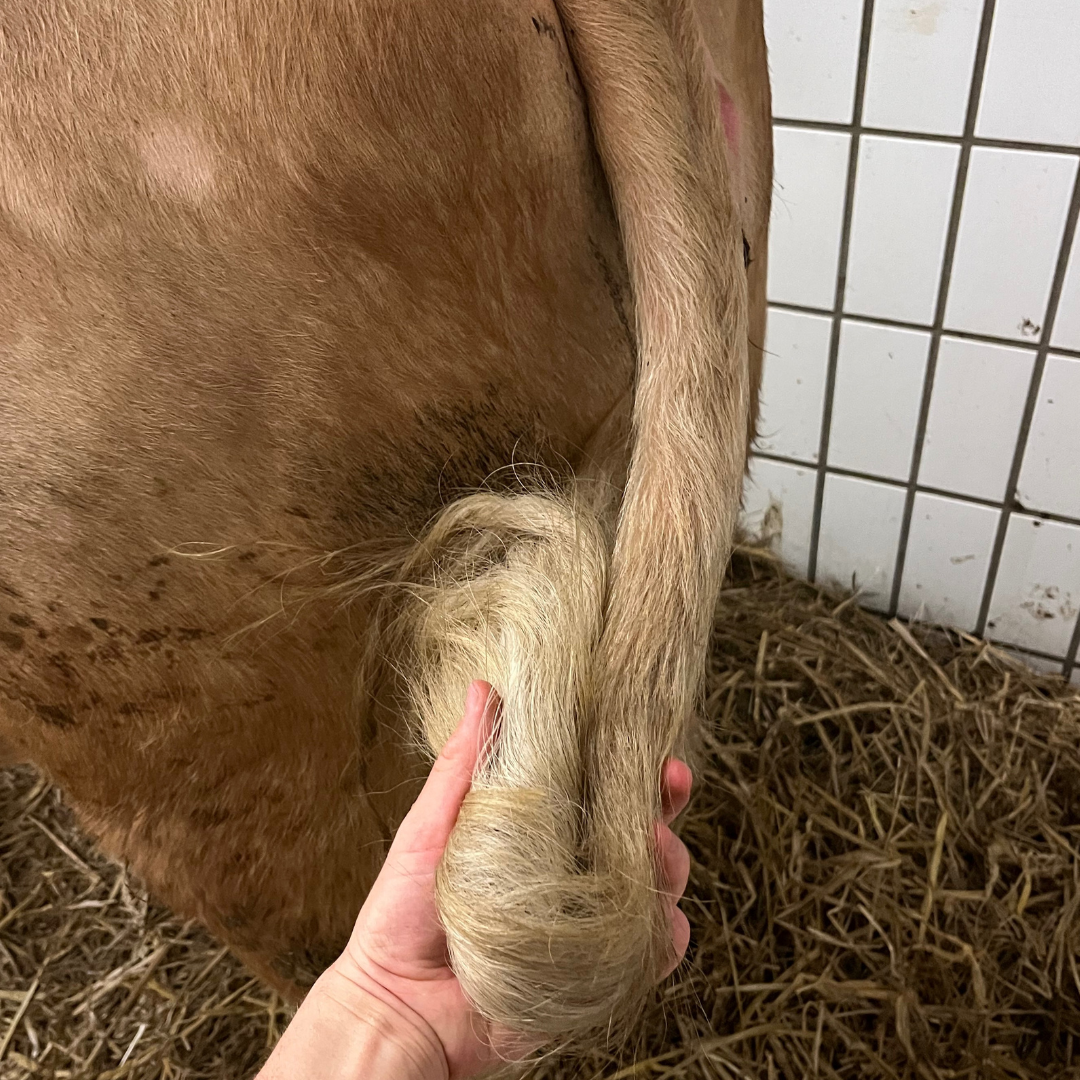
Source: JLU/Repro
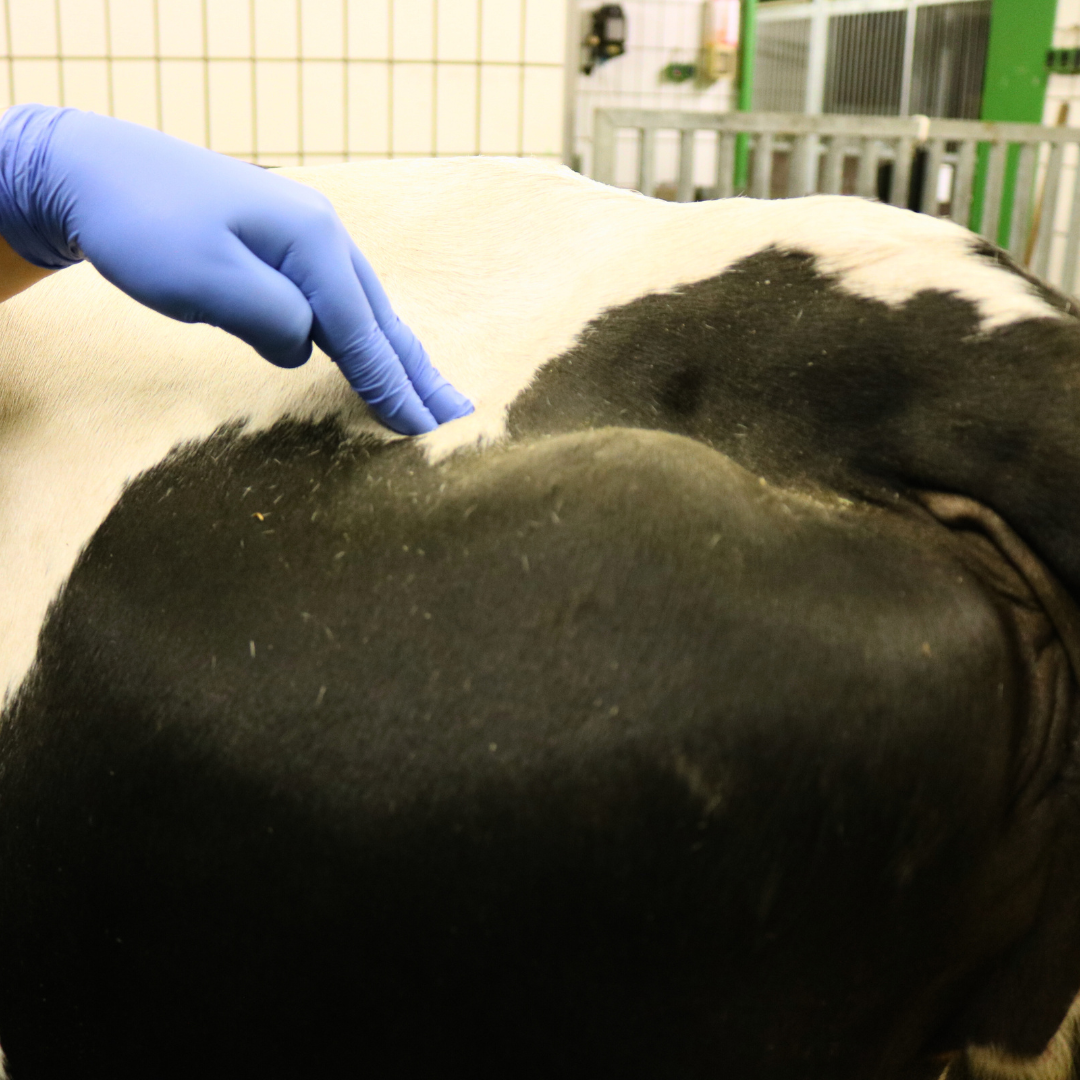
Source: JLU/Repro
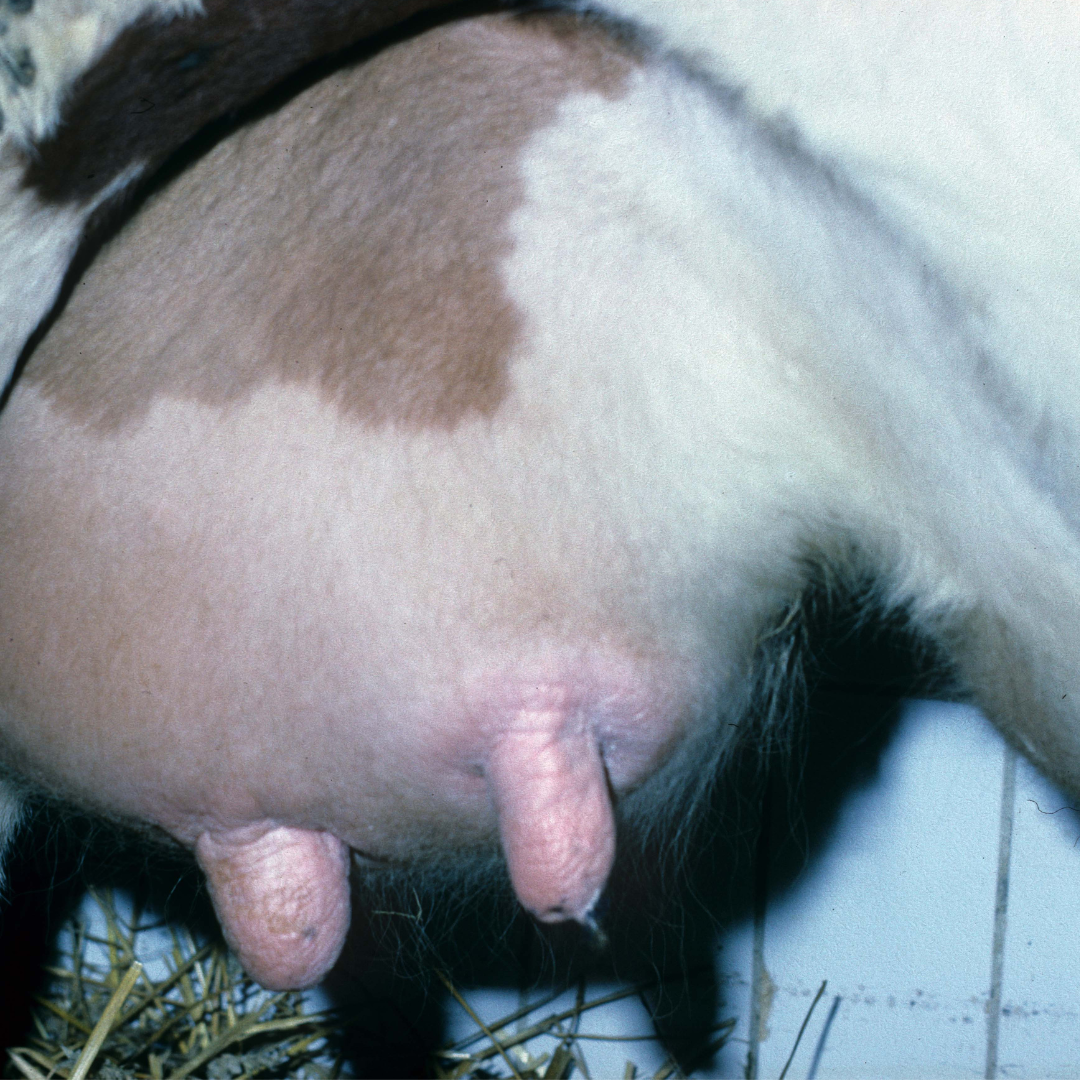
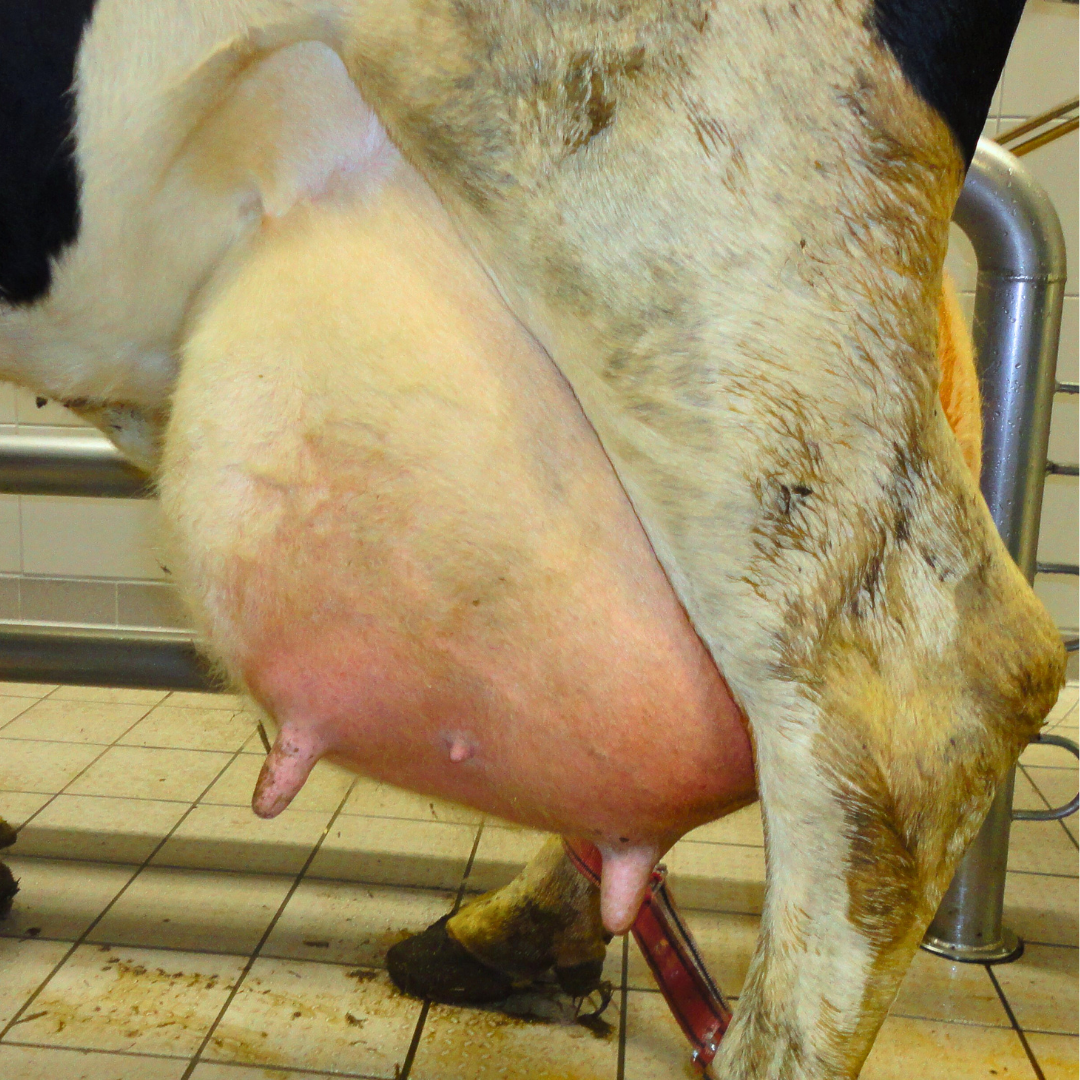
Changes to the udder
Udder swelling
Udder oedema
- The accumulation of fluid in the udder tissue leads to swelling of the udder
Source: JLU/Repro
Source: JLU/Repro
Summary
- There is no reliable external physical sign that allows for an accurate prediction of the time of calving.
- Continuous monitoring of the calving process is ideal. As this is often not feasible without technical aids, monitoring should be carried out every one to two hours.
- A combination of human expertise and technology makes it possible to monitor the calving process effectively → cameras and devices located inside or on the cow
- If a cow is found to be in labour, she should be monitored. (Visual checks every 15 minutes)
- Any disturbance can cause labour to come to a standstill. Check as often as necessary and as little as possible.
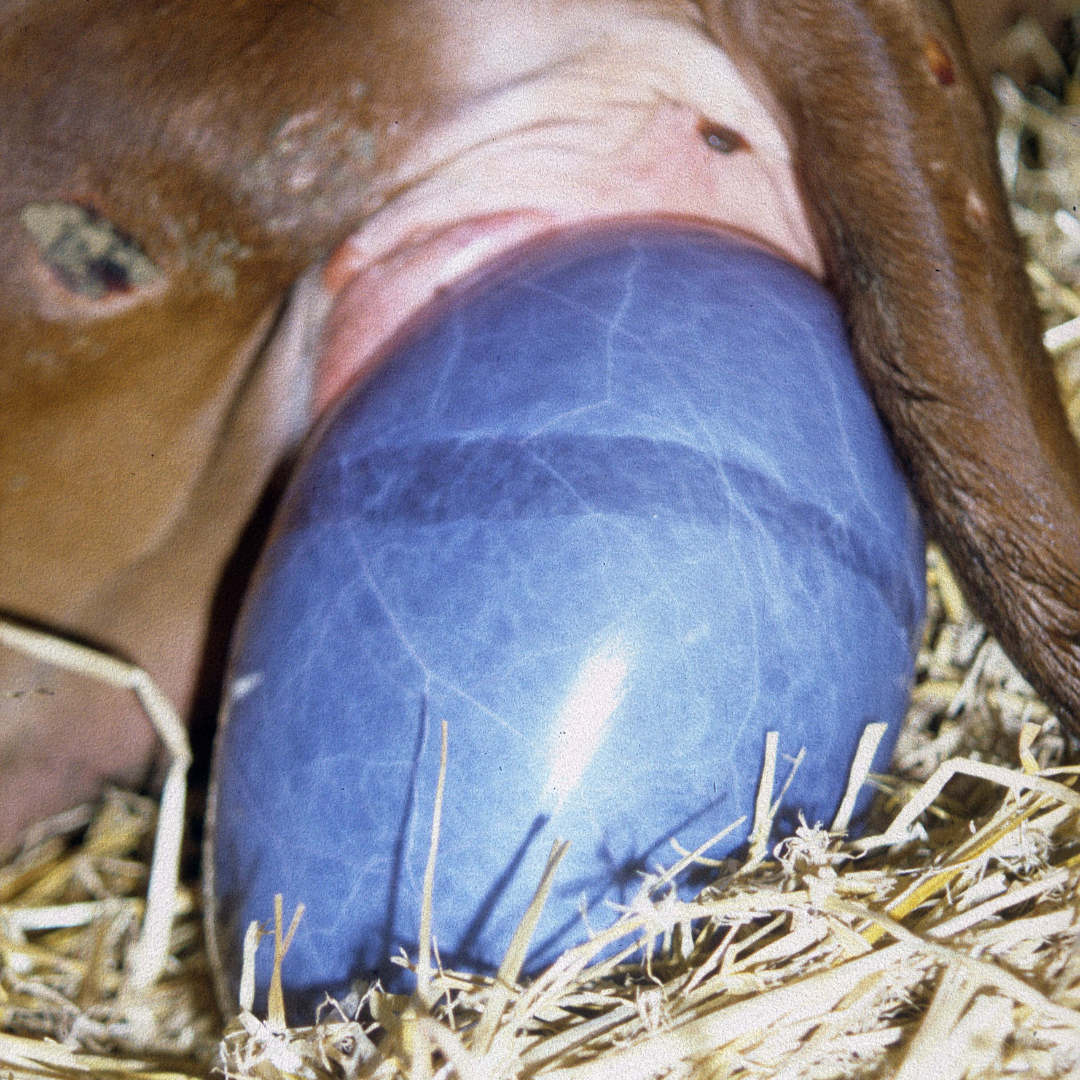
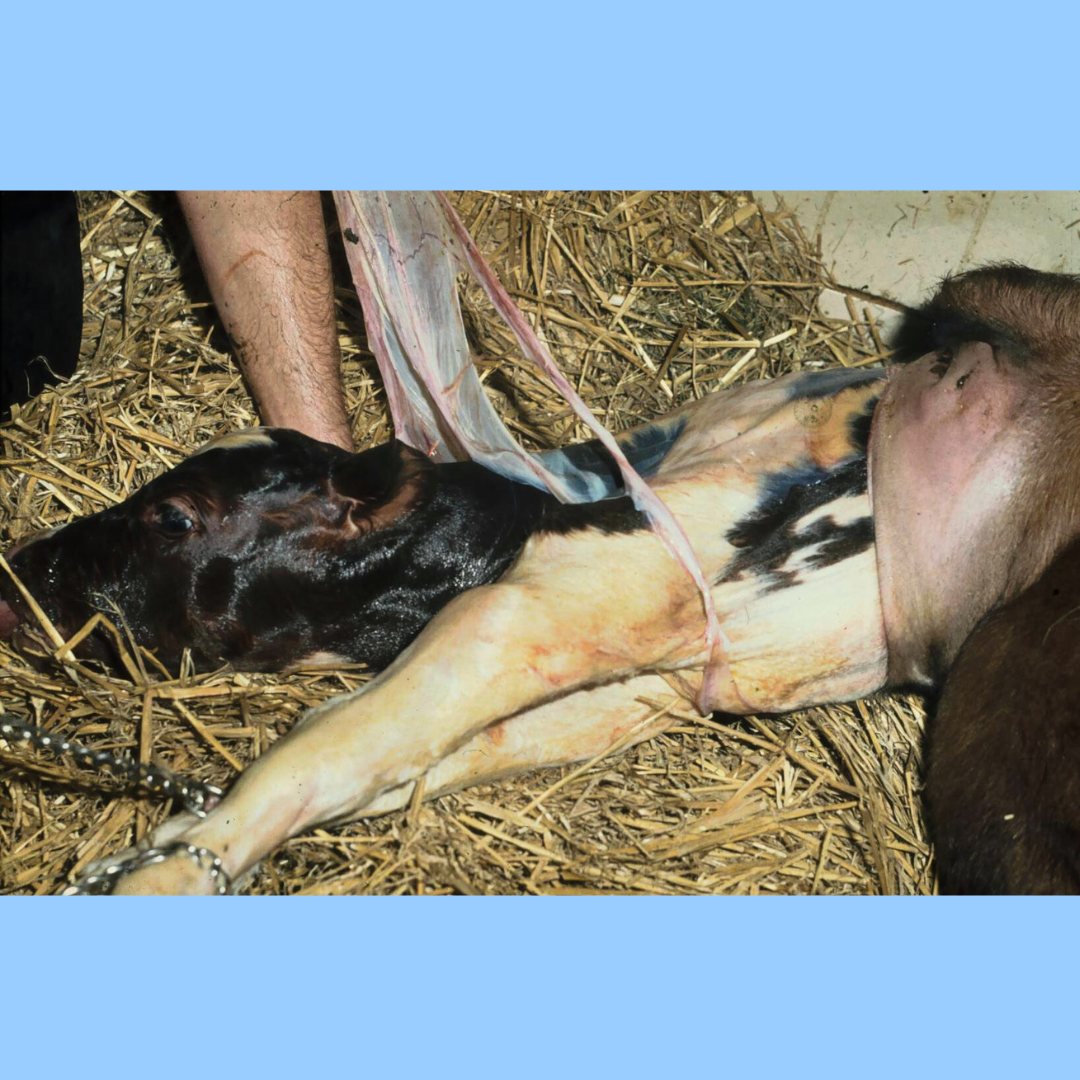
The calving process
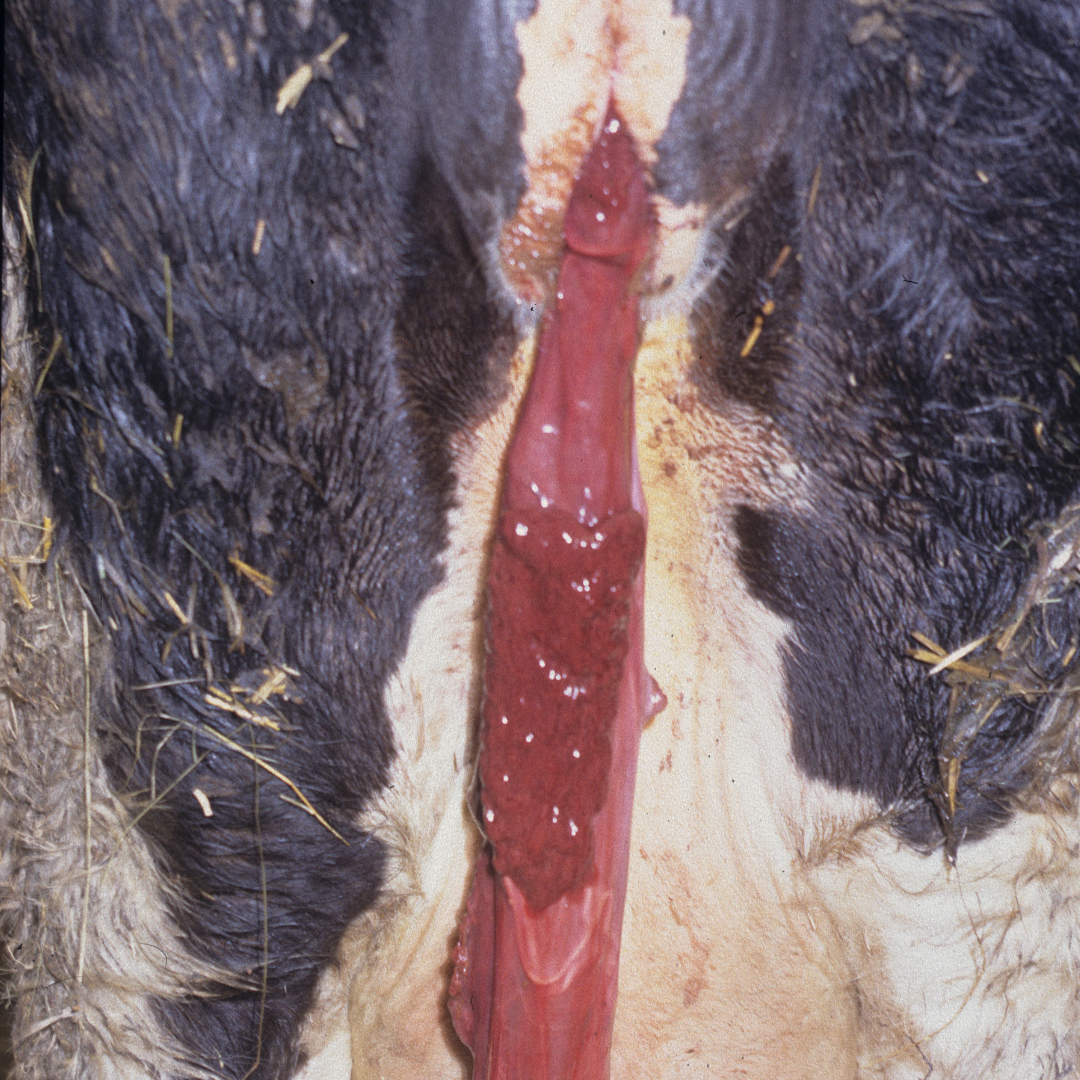
The natural course of calving
Source: JLU/Repro
Source: JLU/Repro
Source: JLU/Repro
Source: JLU/Repro
Difficulties in individual monitoring

Important
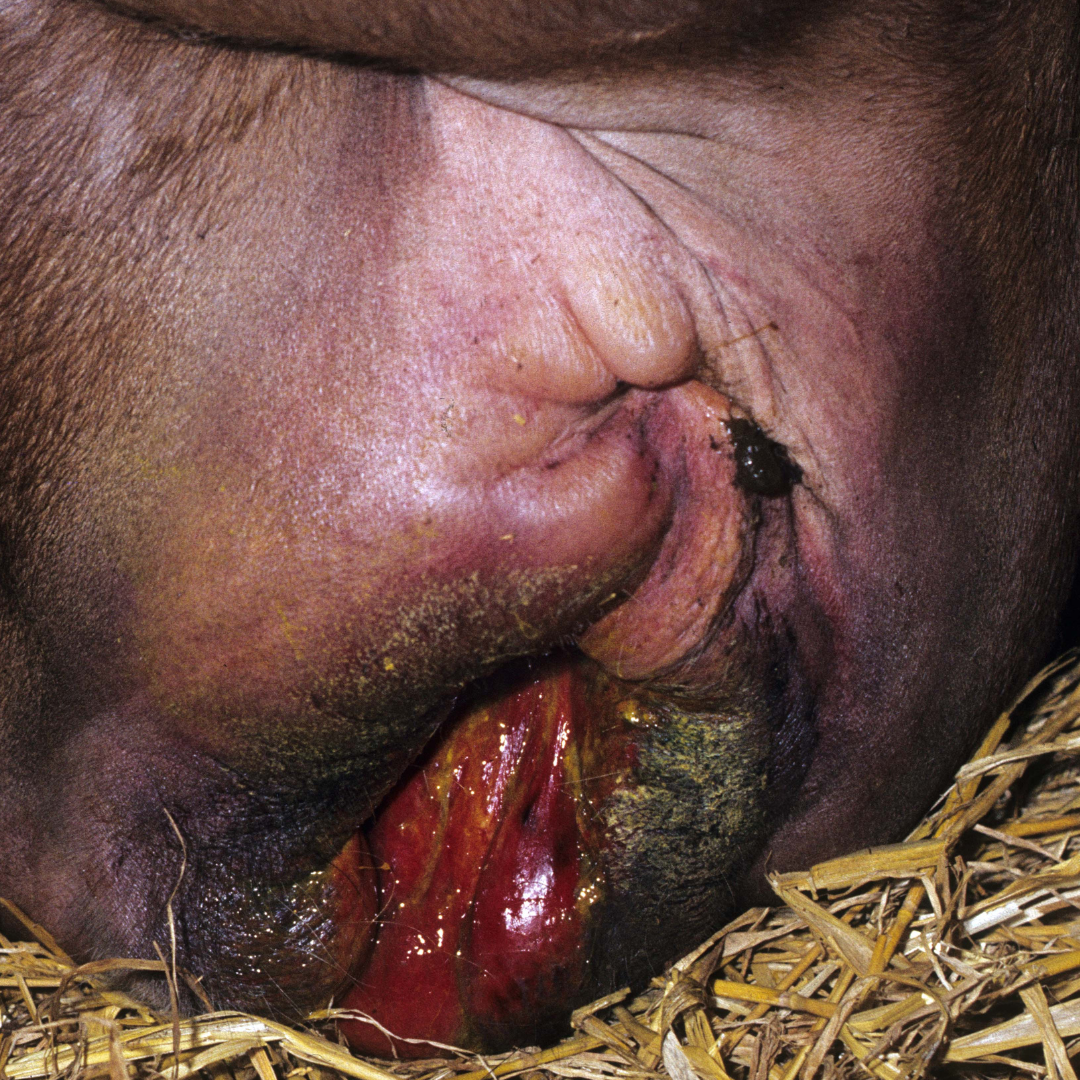
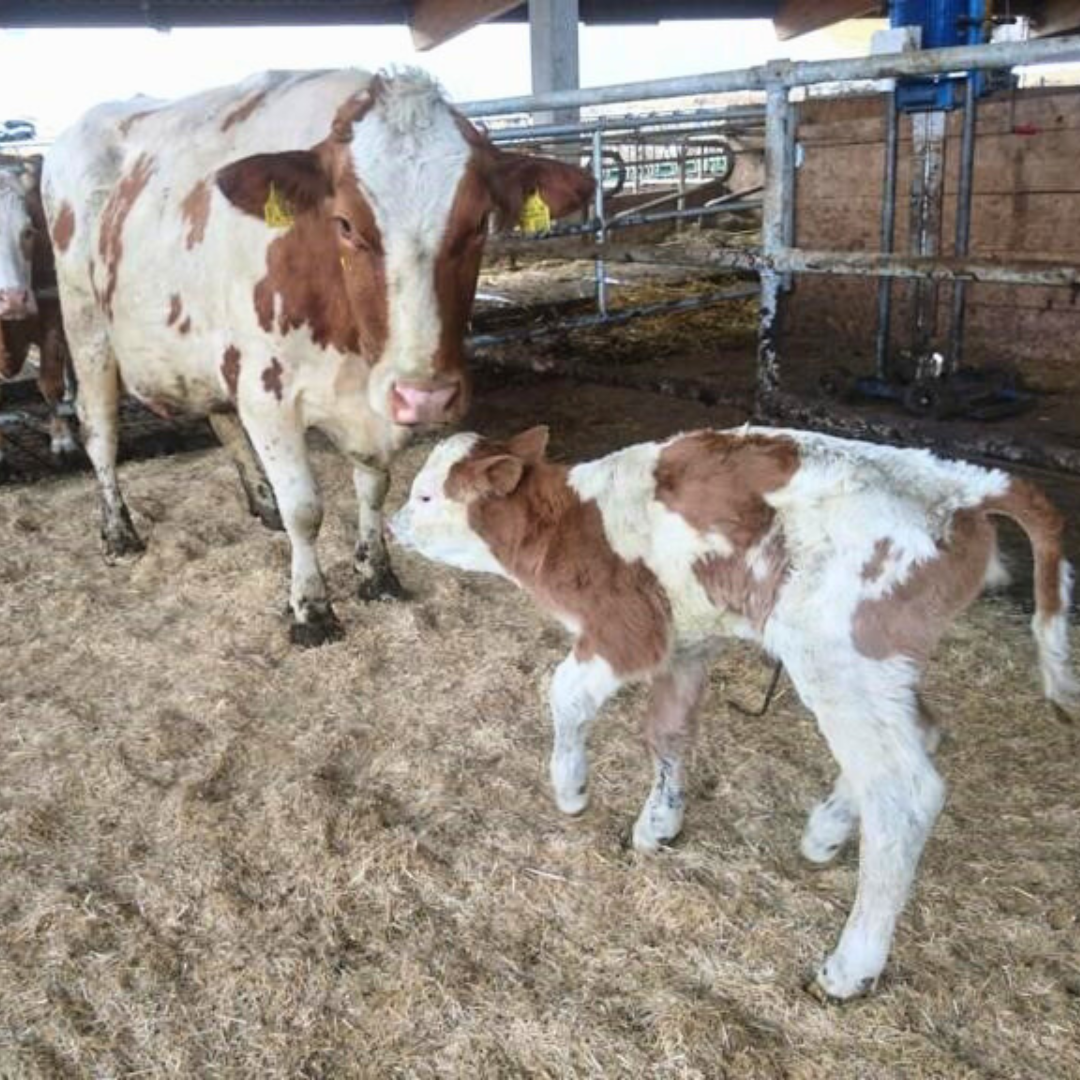
Unnoticed calvings lead to total loss.
The following factors can lead to calvings that are not detected:
- “Temperament” of the animals
- Level of monitoring (costs & time)
- Number of animals in the calving area (on larger farms)
- Errors in recording (animal identification)
- Staff availability in an emergency
Source: JLU/Repro
Source: JLU/Repro
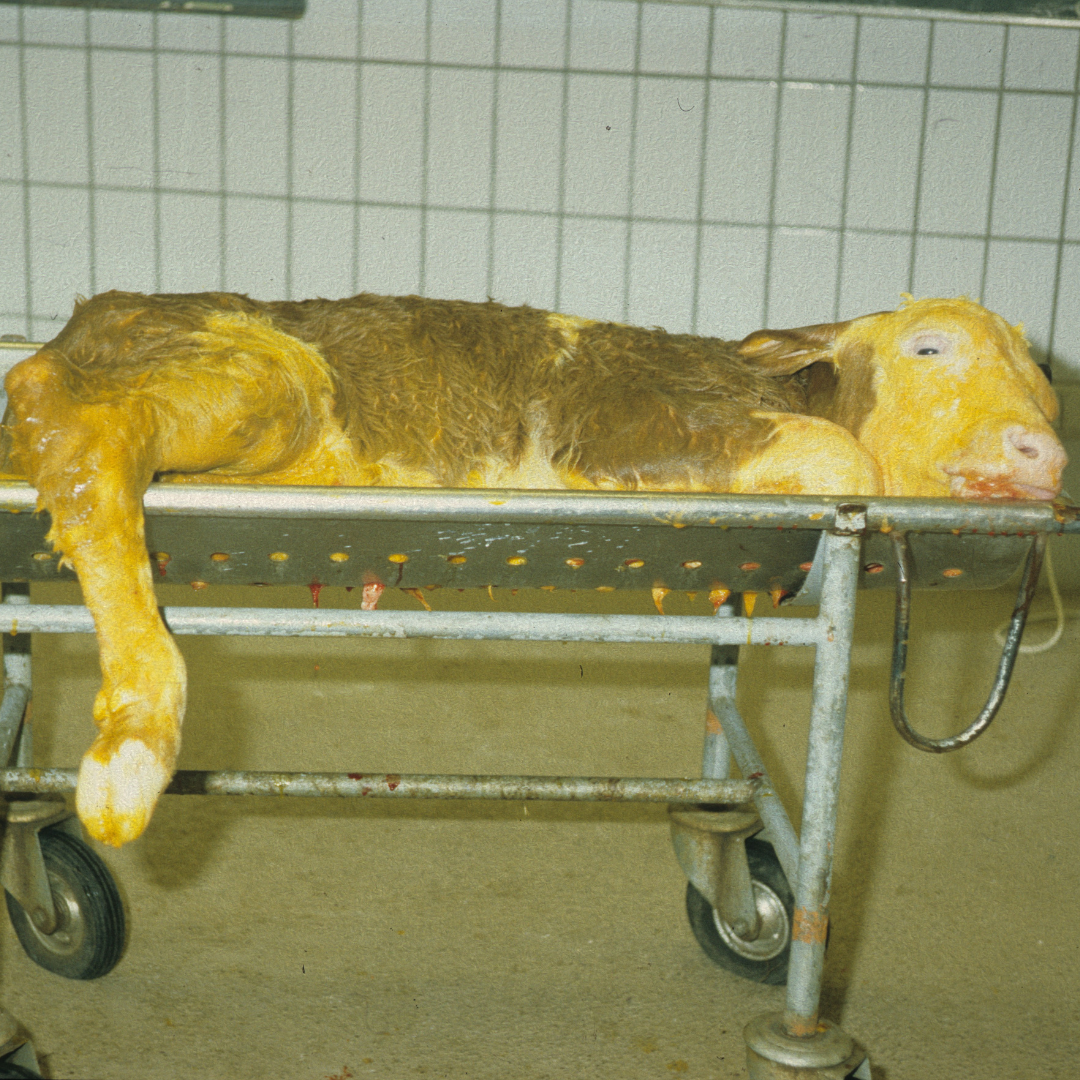
Difficulties during calving
Causes of difficult deliveries
- Calves that are too large
- Insufficient contractions
- Narrowing of the birth canal (inadequate dilation of the cervix)
- Incorrect positioning of the legs and head
- Twisting of the uterus
- Abnormal positions & presentations
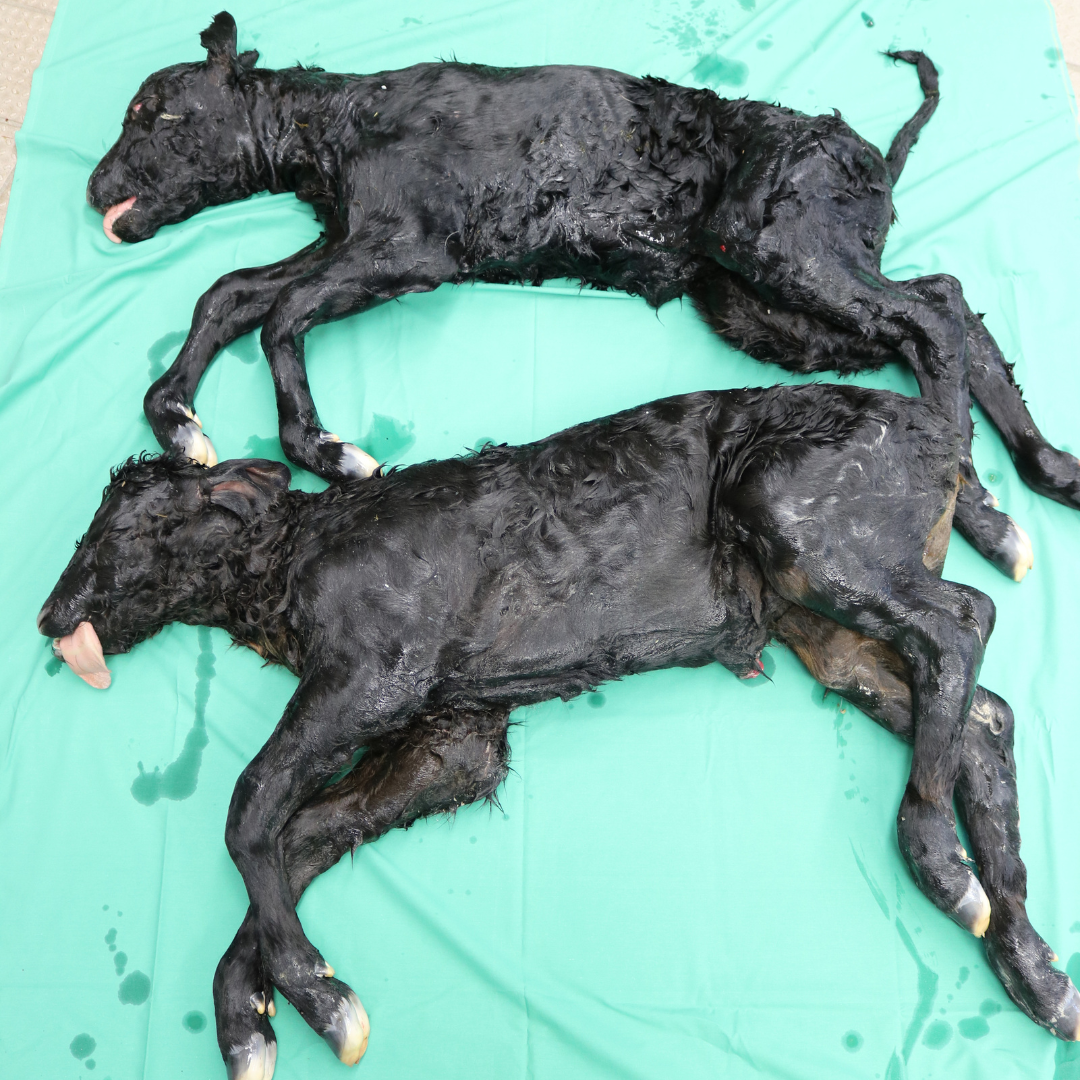
- Twins (malpresentation)
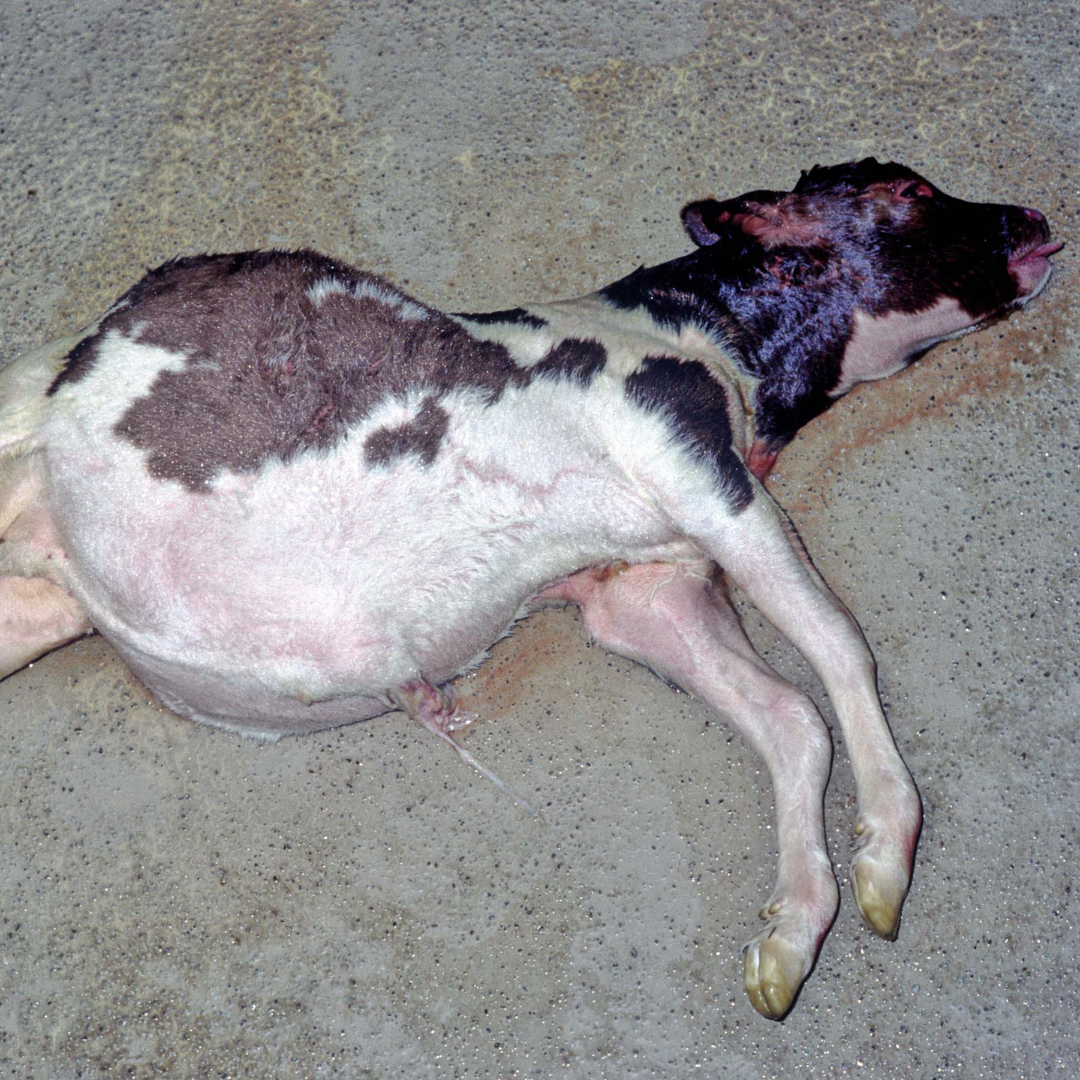
- Malformations
Source: JLU/Repro
Source: JLU/Repro
Source: JLU/Repro
Information on uterine torsion
Uterine torsion cannot be reliably detected from the outside. Uterine torsion can quickly lead to injury to the calf. Possible signs include:
- No progress in labour
- Only after some time: cessation of food intake
- Even later: signs of intoxication
If uterine torsion is suspected, a vet must be notified immediately.
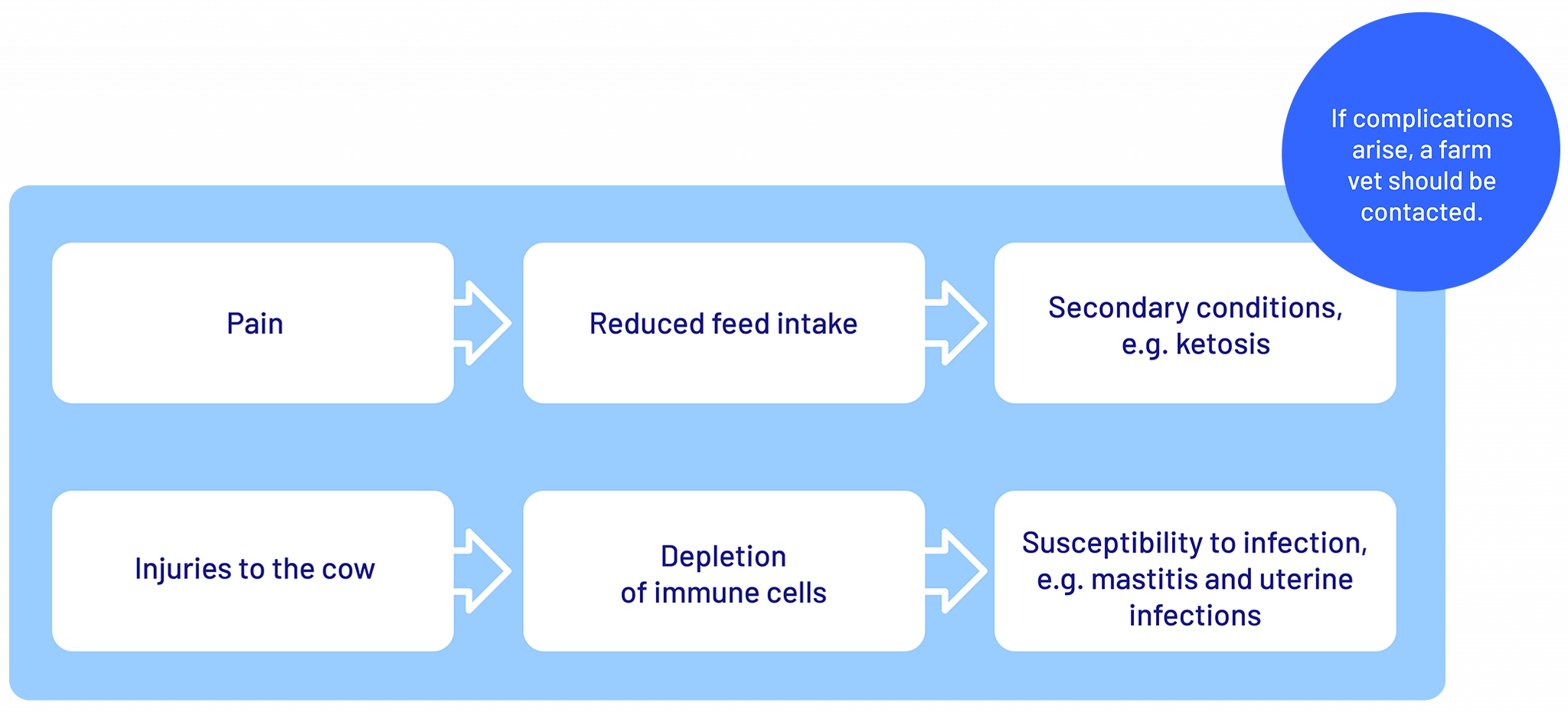
Consequences of a difficult delivery for the cow
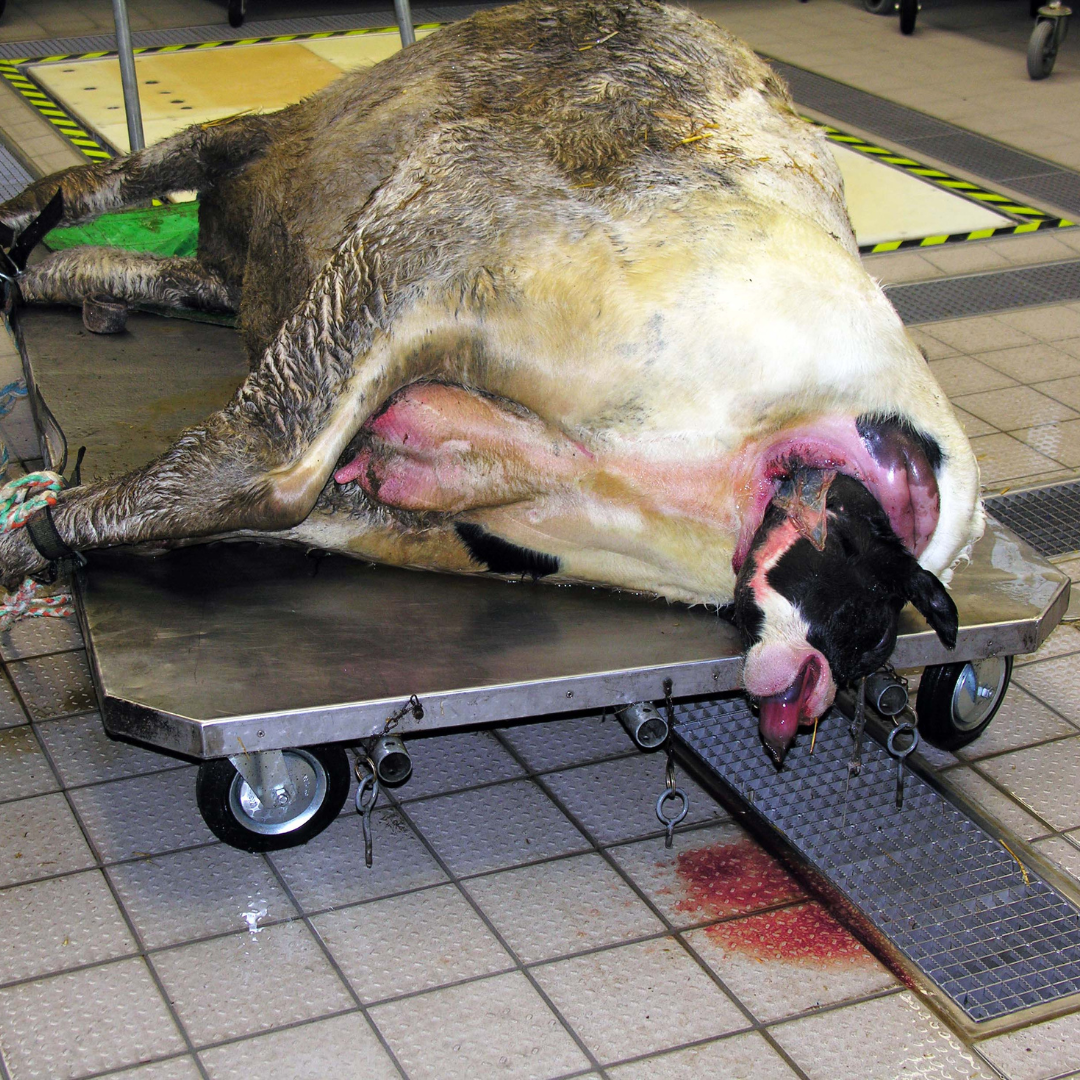
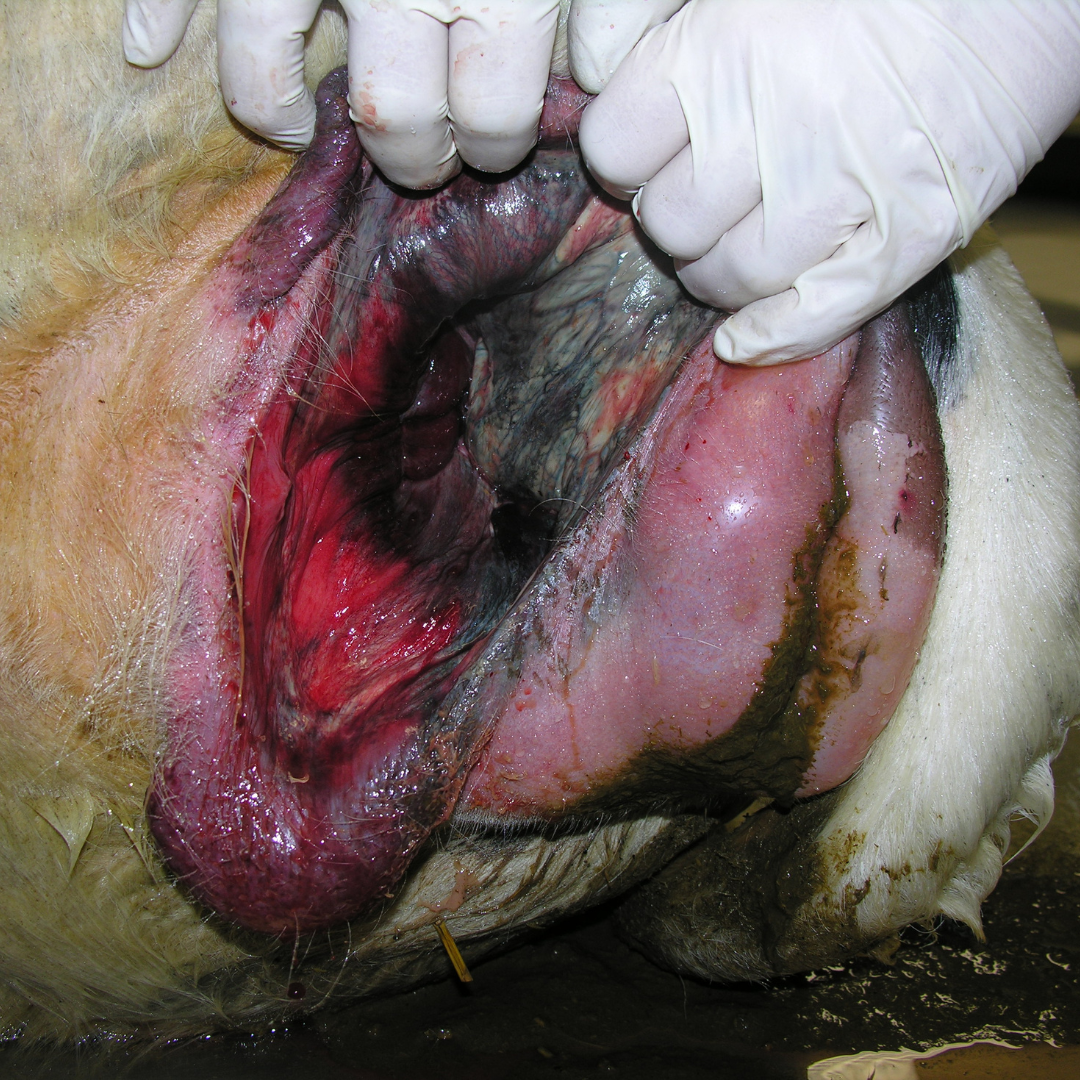
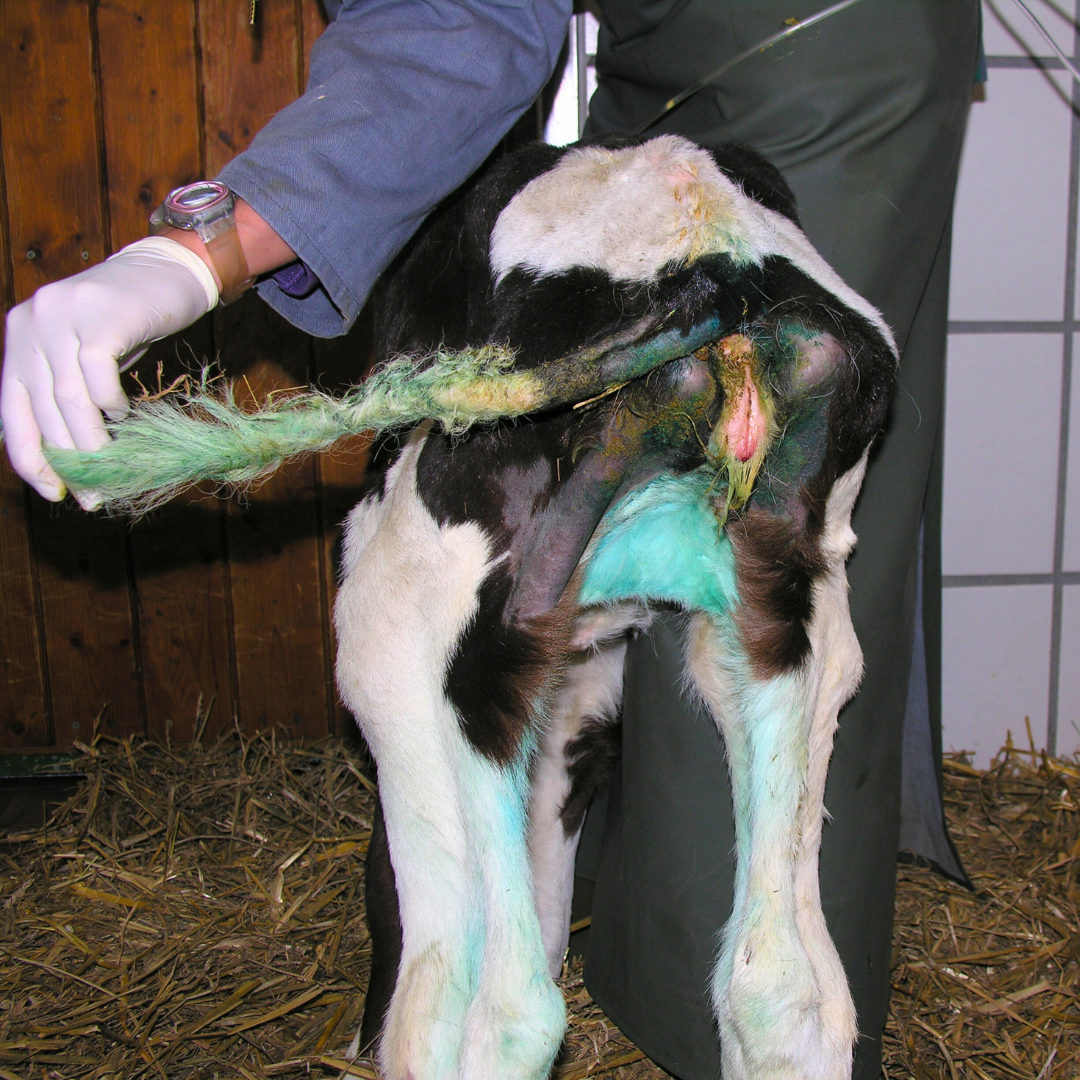
Injuries to the cow
Source: JLU/Repro
Source: JLU/Repro
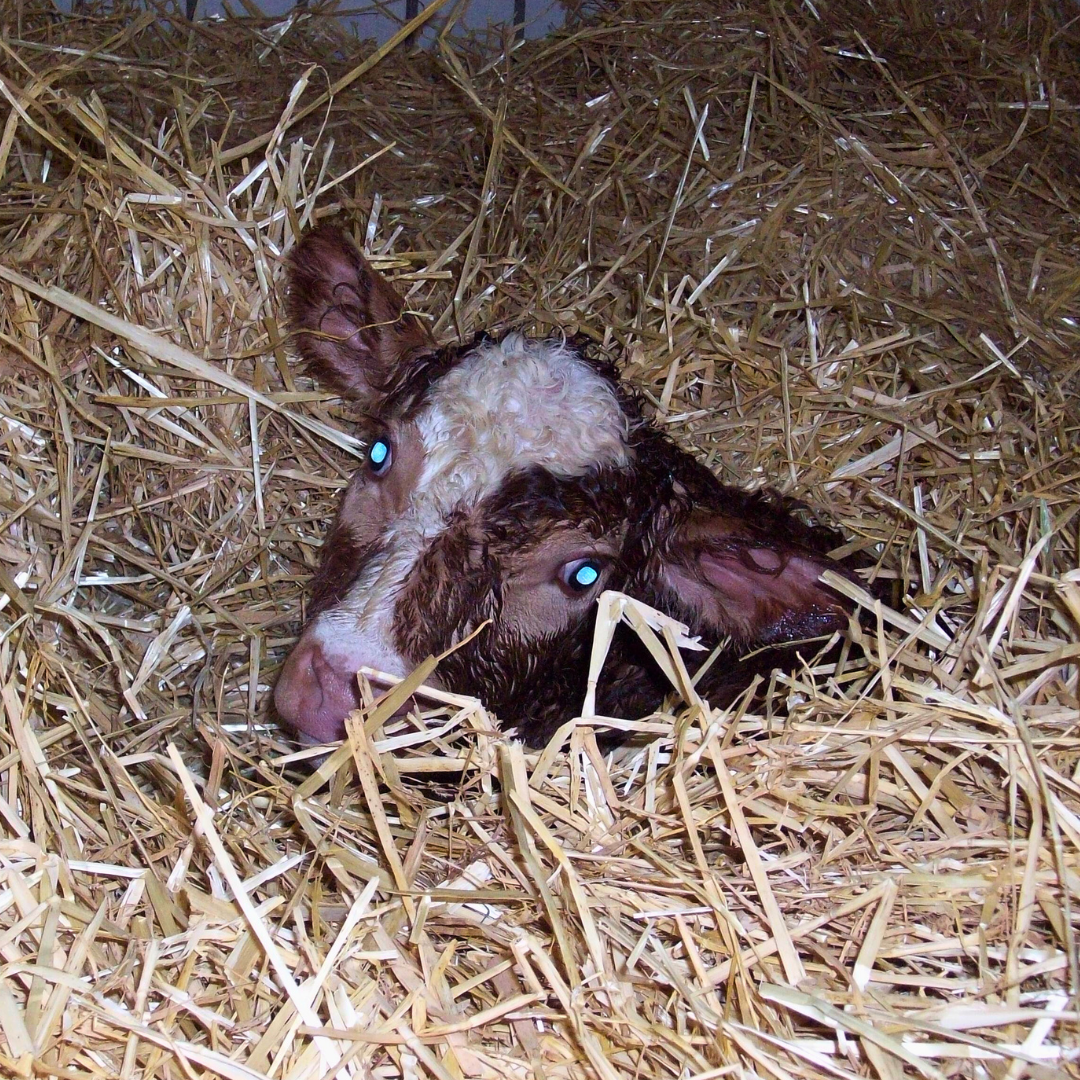
Consequences of a difficult delivery for the calf
- A sixfold increased risk of dying within the first 48 hours of life
- The incidence of calf disease following assisted delivery is significantly higher than following spontaneous birth (1.5 times higher)
- Mortality rates among calves up to 60 days after weaning are significantly higher than after spontaneous birth (2.9 times higher)
Source: JLU/Repro
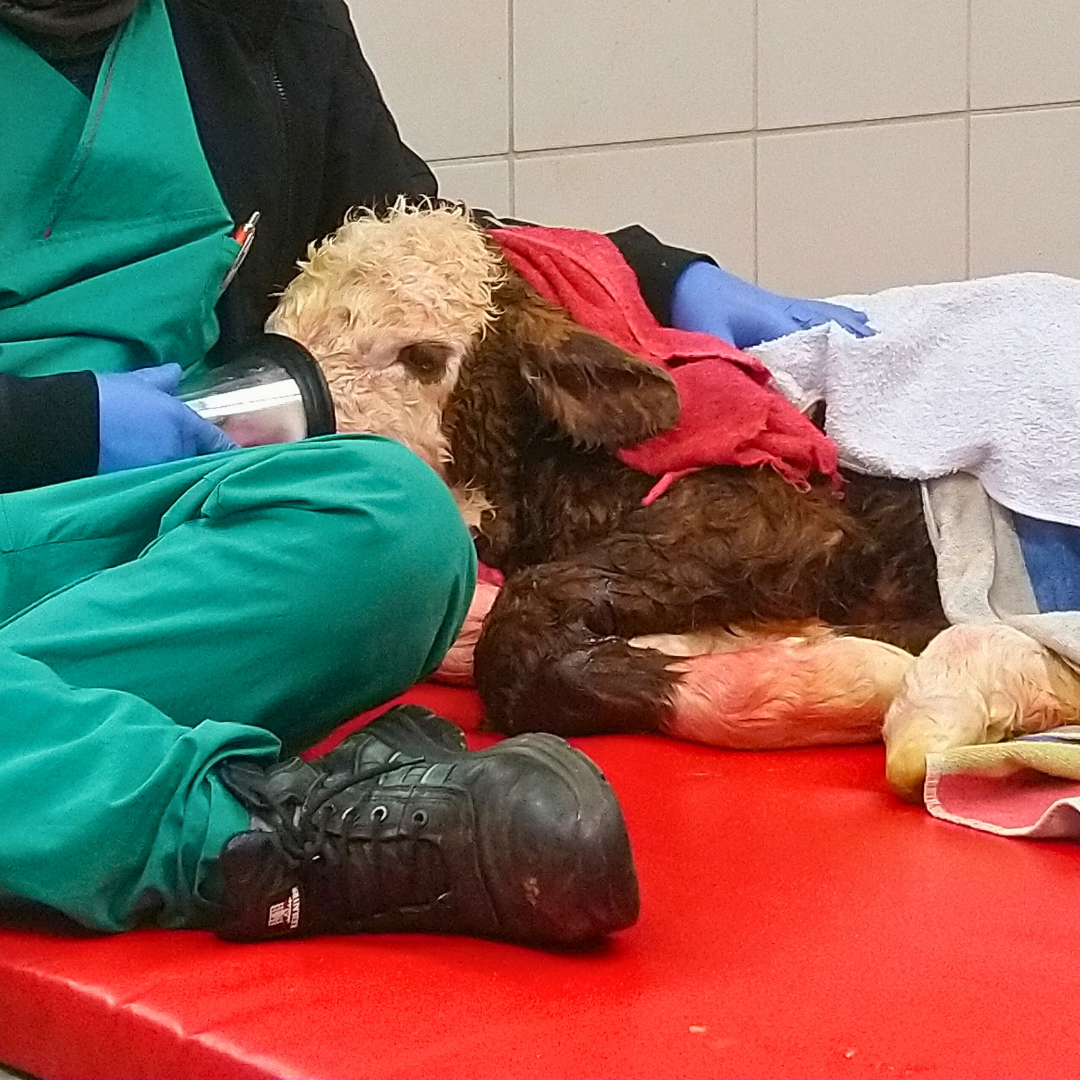
Calves born following difficult deliveries can be stabilised by:
- Ensuring breathing
- Rubbing the calf dry (e.g. with towels)
- Providing clean and soft bedding
- Preventing the calf from getting cold (e.g. using a heat lamp or a calf blanket)
- Feeding colostrum
- Consult a farm vet if necessary
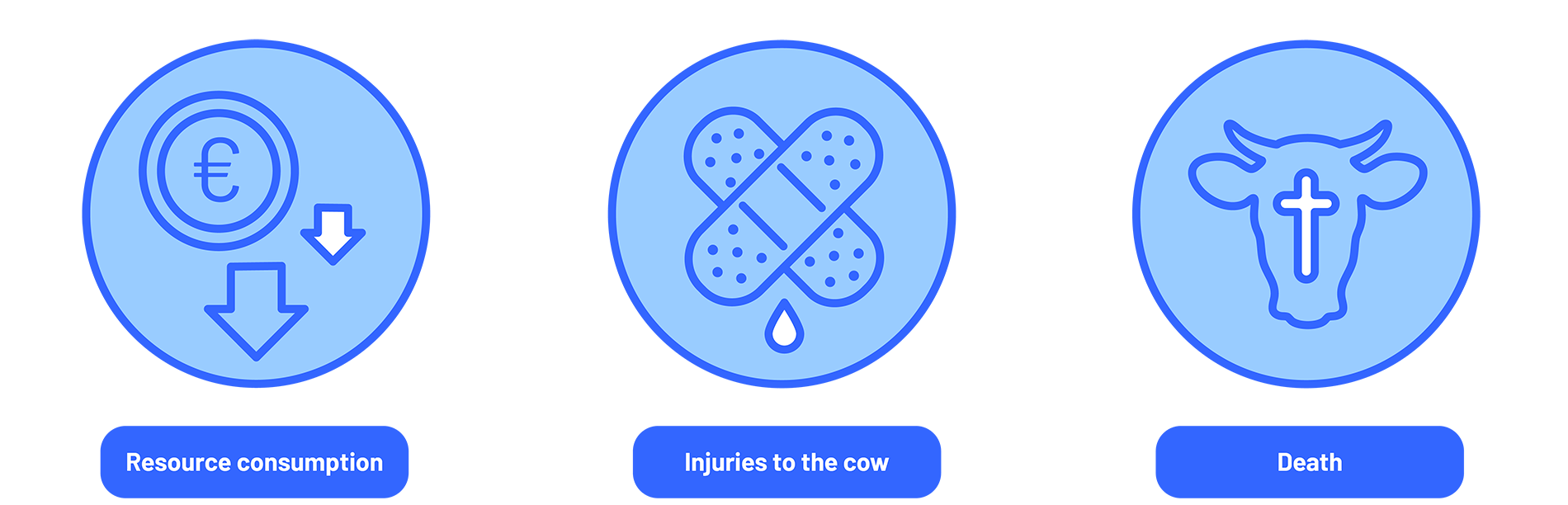
Complicated deliveries mean
- Higher costs for time spent working and treatment
- A higher number of calf deaths
- Greater effort required to care for sick calves
Source: JLU/Repro
Source: JLU/Repro
Difficult deliveries can mean
Calving checks
Important
The earlier a difficult calving is identified, the lower the risks and harm to both the cow and the calf.
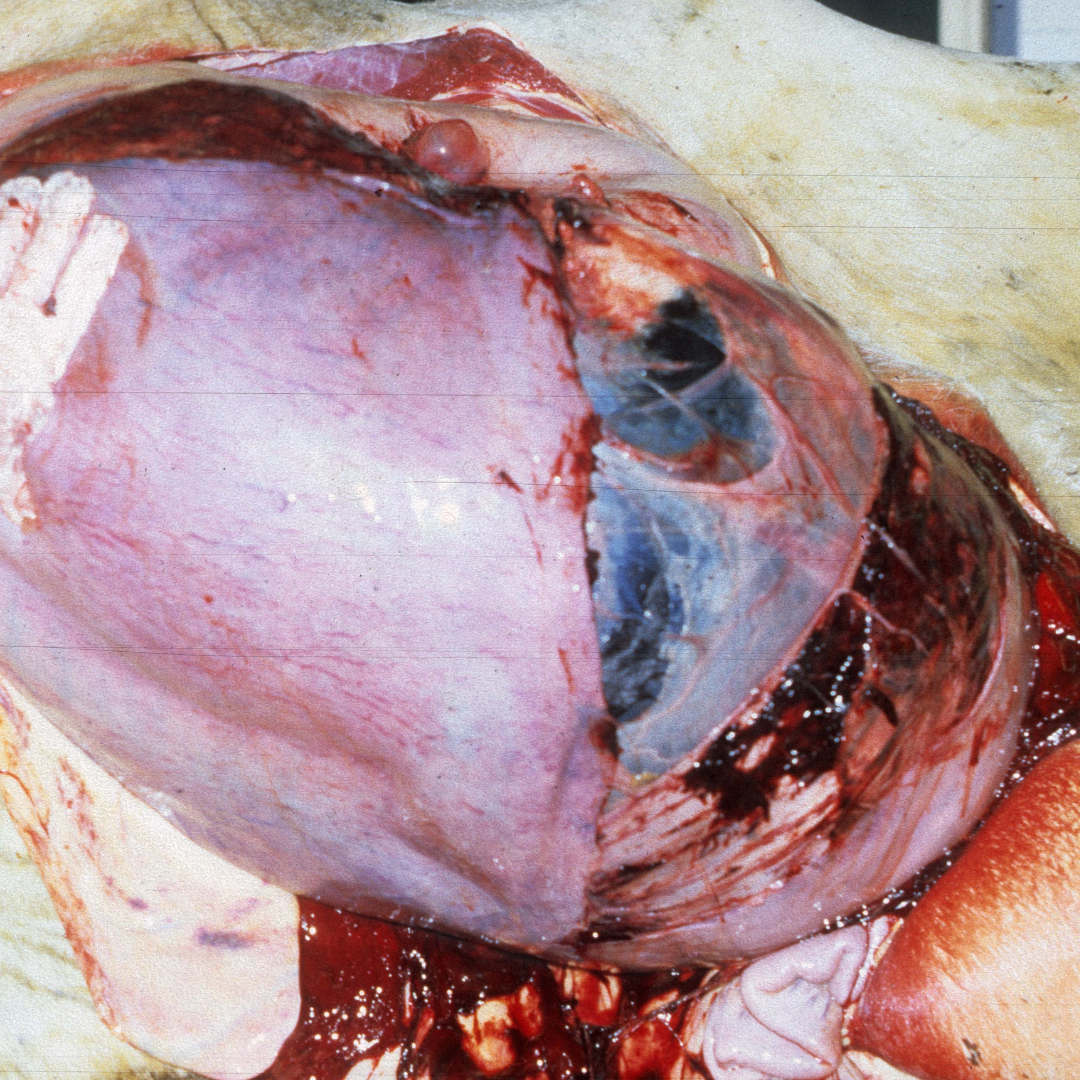
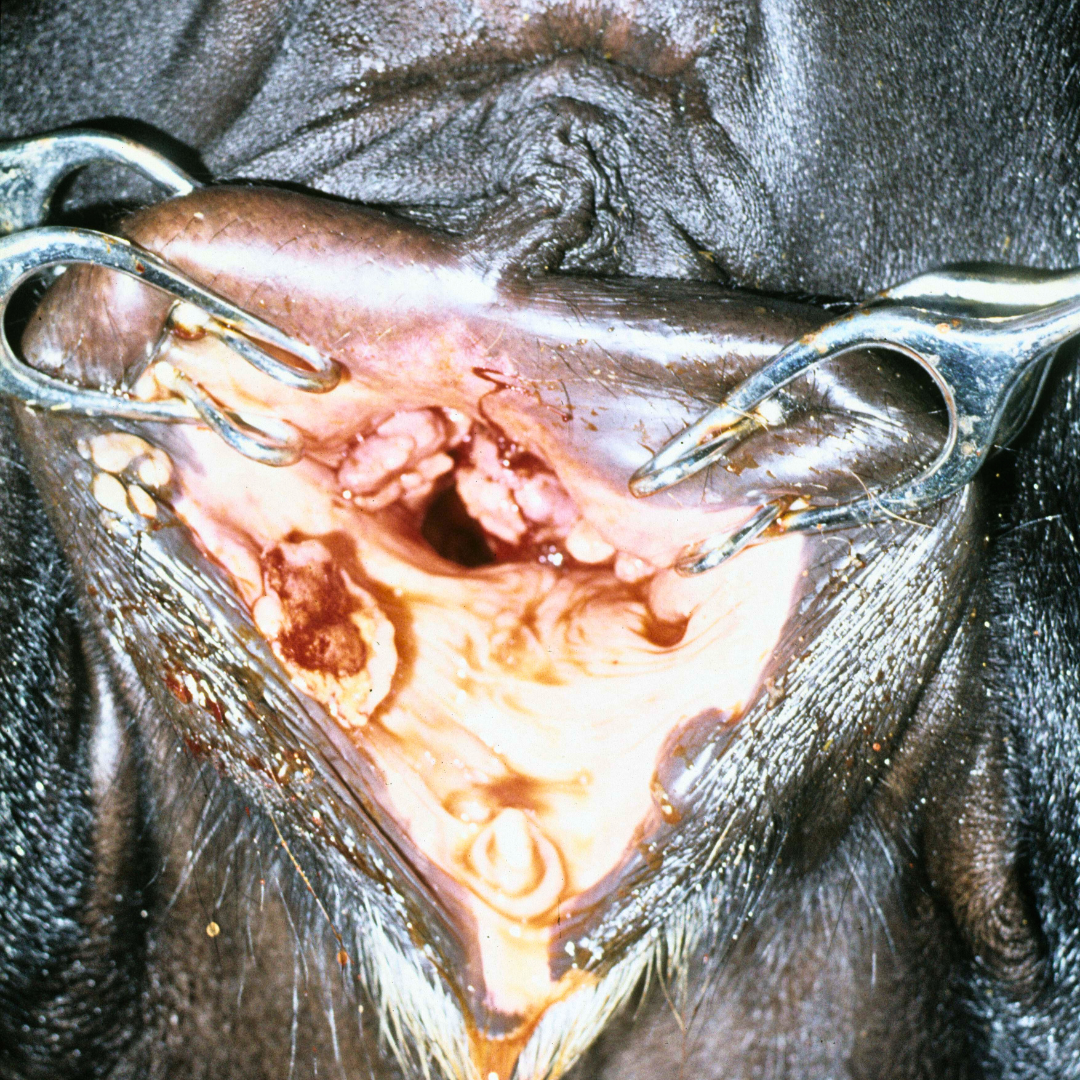
Important: Checking too frequently or without careful consideration can disrupt the natural calving process. In particular, attempts to pull the calf out when the birth canal has not yet fully dilated often result in injury.
Premature delivery
- Birth canal not yet sufficiently dilated
- Increased risk of injury to the cow and calf
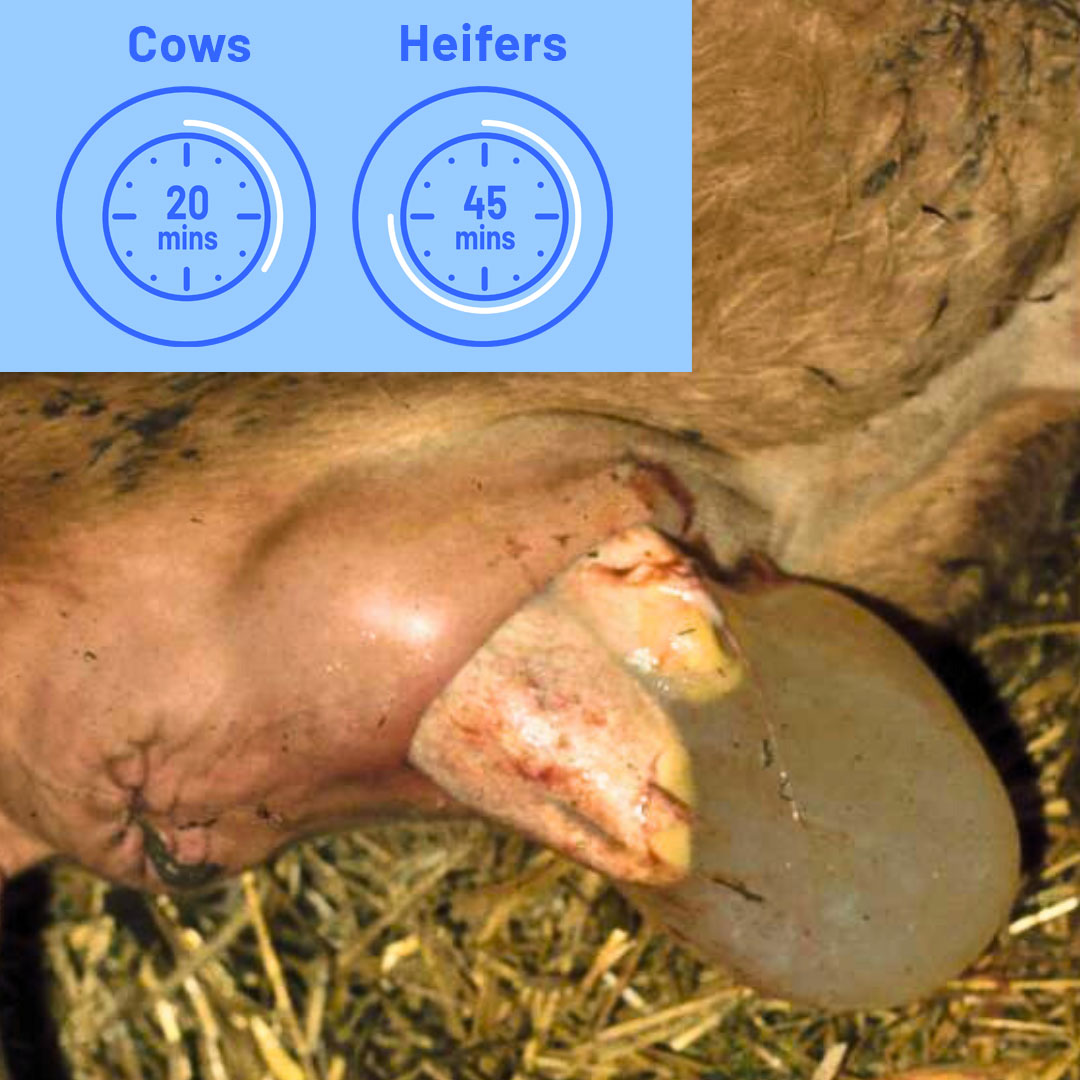
Delayed delivery
- Increased risk of adverse effects and harm to the calf
Source: JLU/Repro
Source: JLU/Repro
When do checks need to be carried out?
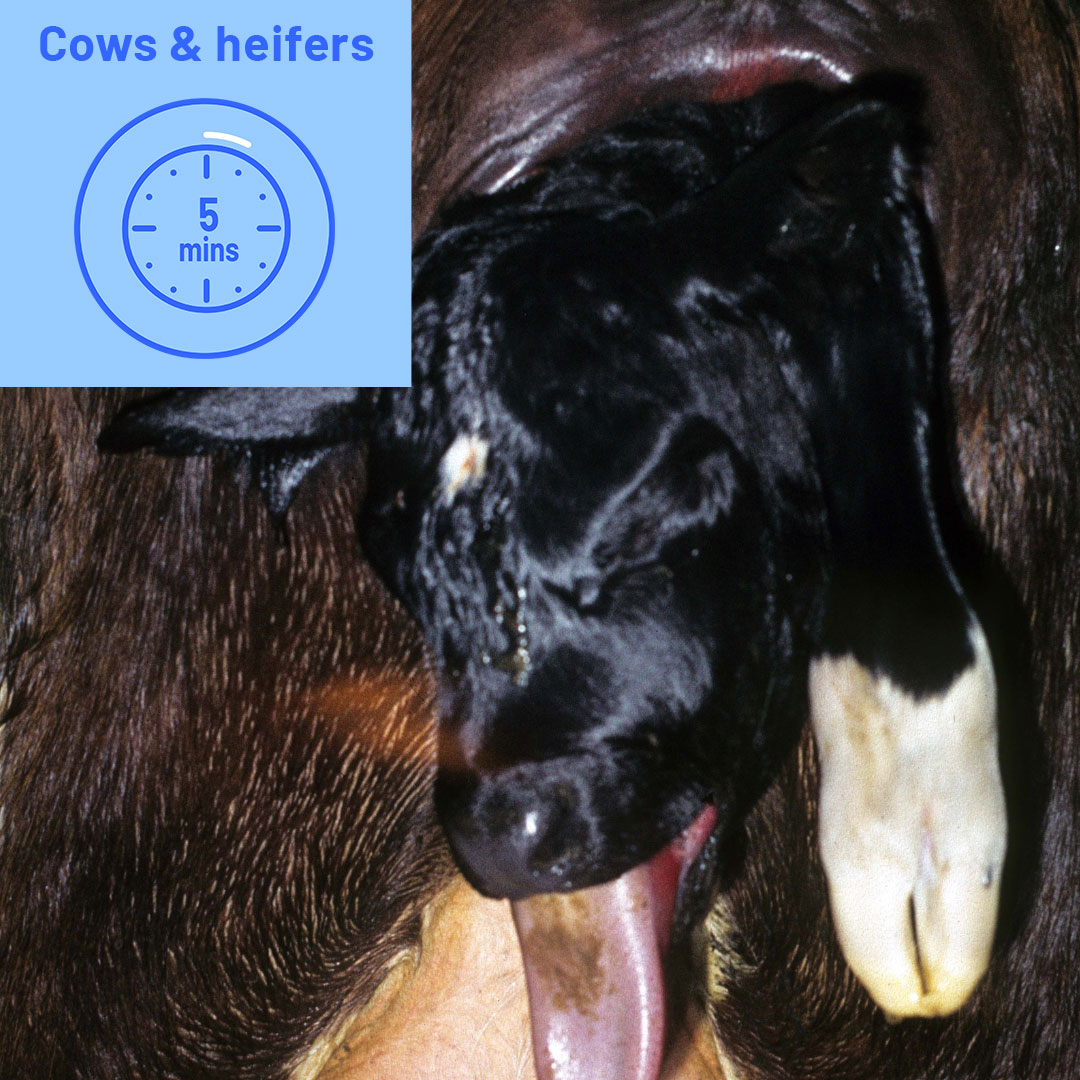
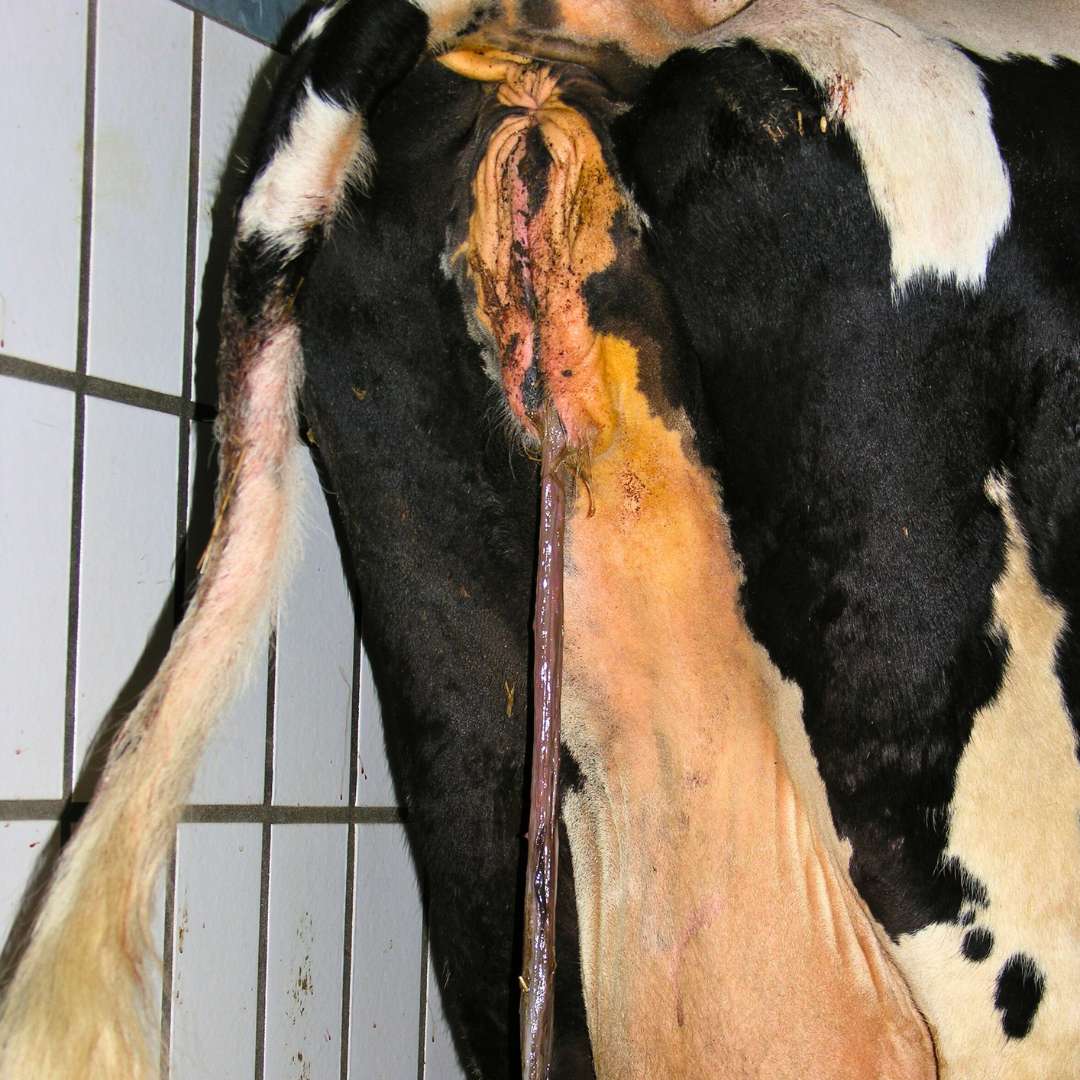
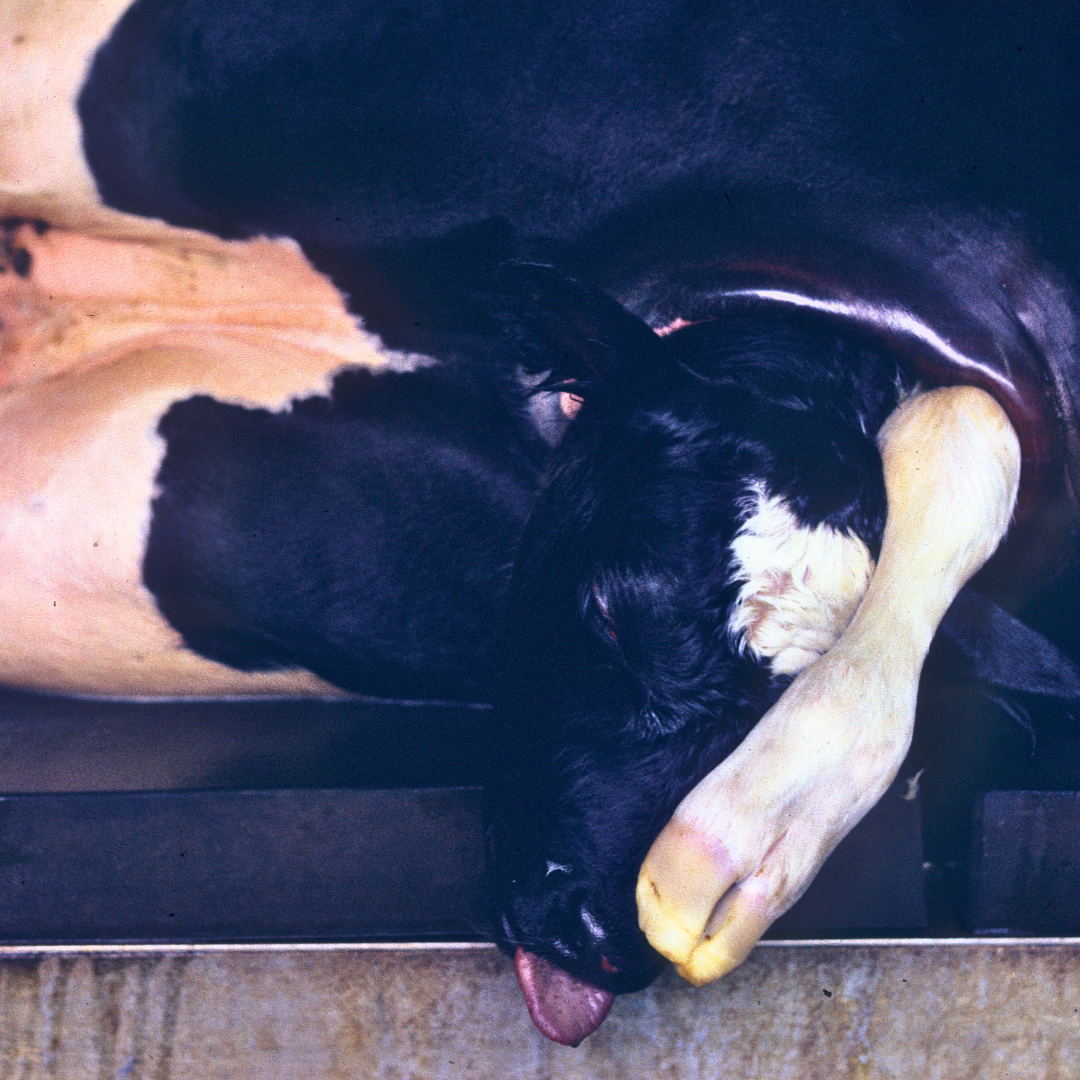
Source: JLU/Repro
How should checks be carried out?
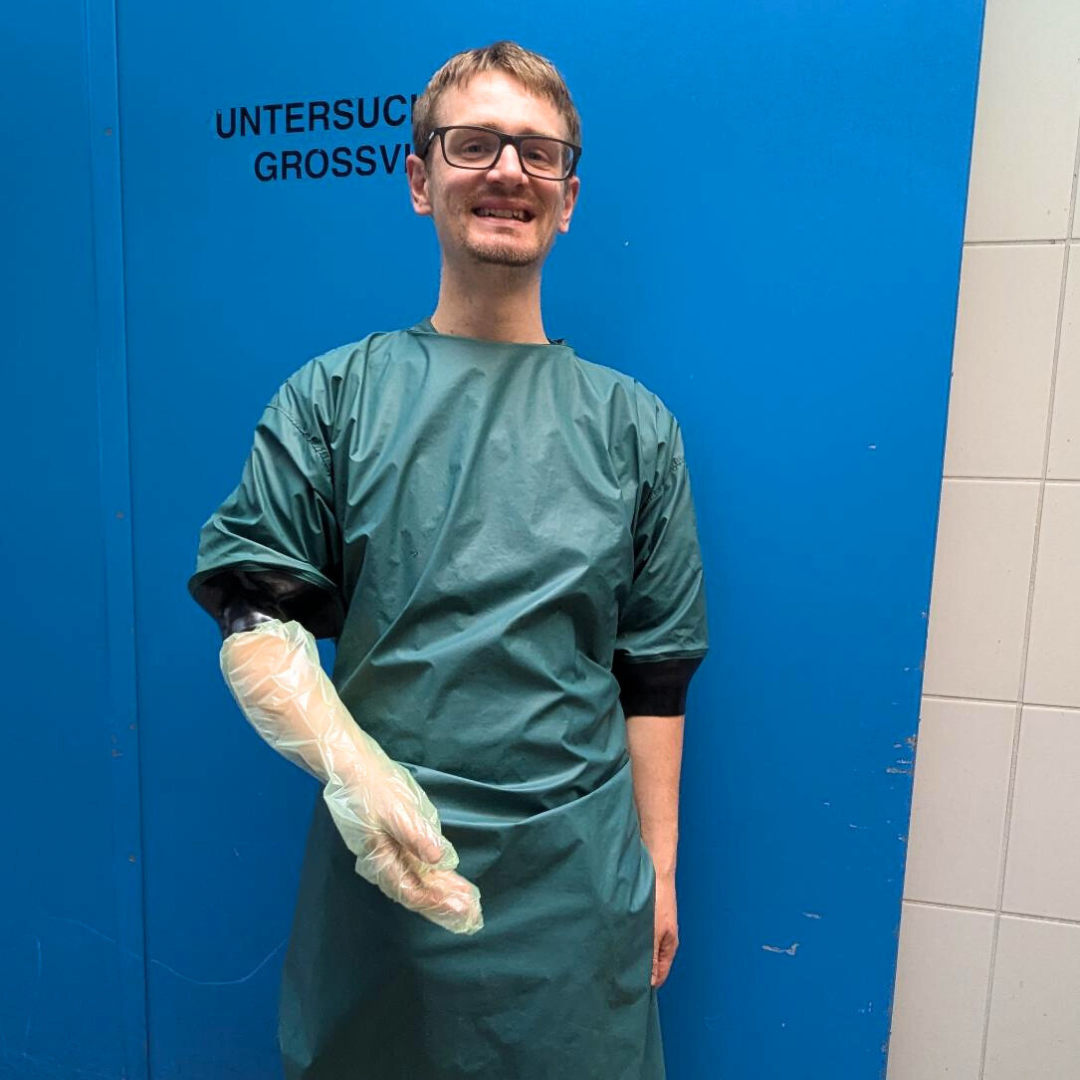
A calving progress chart should be used to document the delivery.

Cleanliness!
Every examination introduces bacteria into the uterus. The higher the bacterial count in the uterus, the more likely it is that uterine infections will develop.
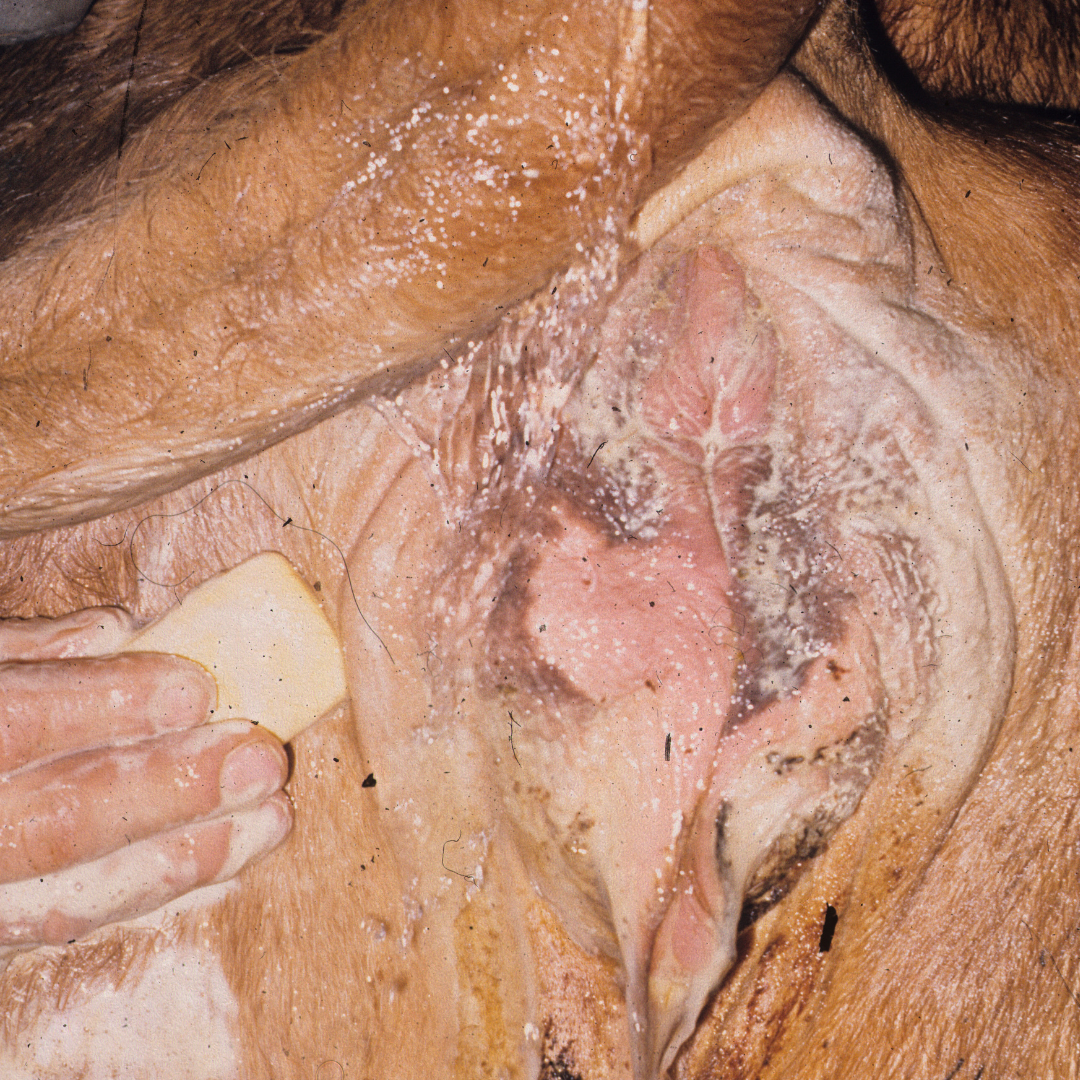
Source: JLU/Repro
Source: JLU/Repro
When monitoring calving, attention should be paid to

Summary
Calving is a pivotal event for both the cow and the calf. It sets the course for animal health and high performance.
Understanding and recognising the signs of labour is key to successful calving monitoring.
Repeated monitoring of the signs of calving ensures the greatest accuracy. Monitoring calving can be facilitated by technical aids.
However, checking too frequently can interrupt the calving process. Care must be taken to ensure that the procedure is carried out hygienically.
Identifying difficult deliveries early on saves lives. There are clear signs of a difficult delivery.
Time spent monitoring a calving is time well spent.
Quiz to check your understanding