







Early access to colostrum is the most important protection against infectious diseases.
Research shows that many calves still do not receive an adequate supply of colostrum.
Why is that?
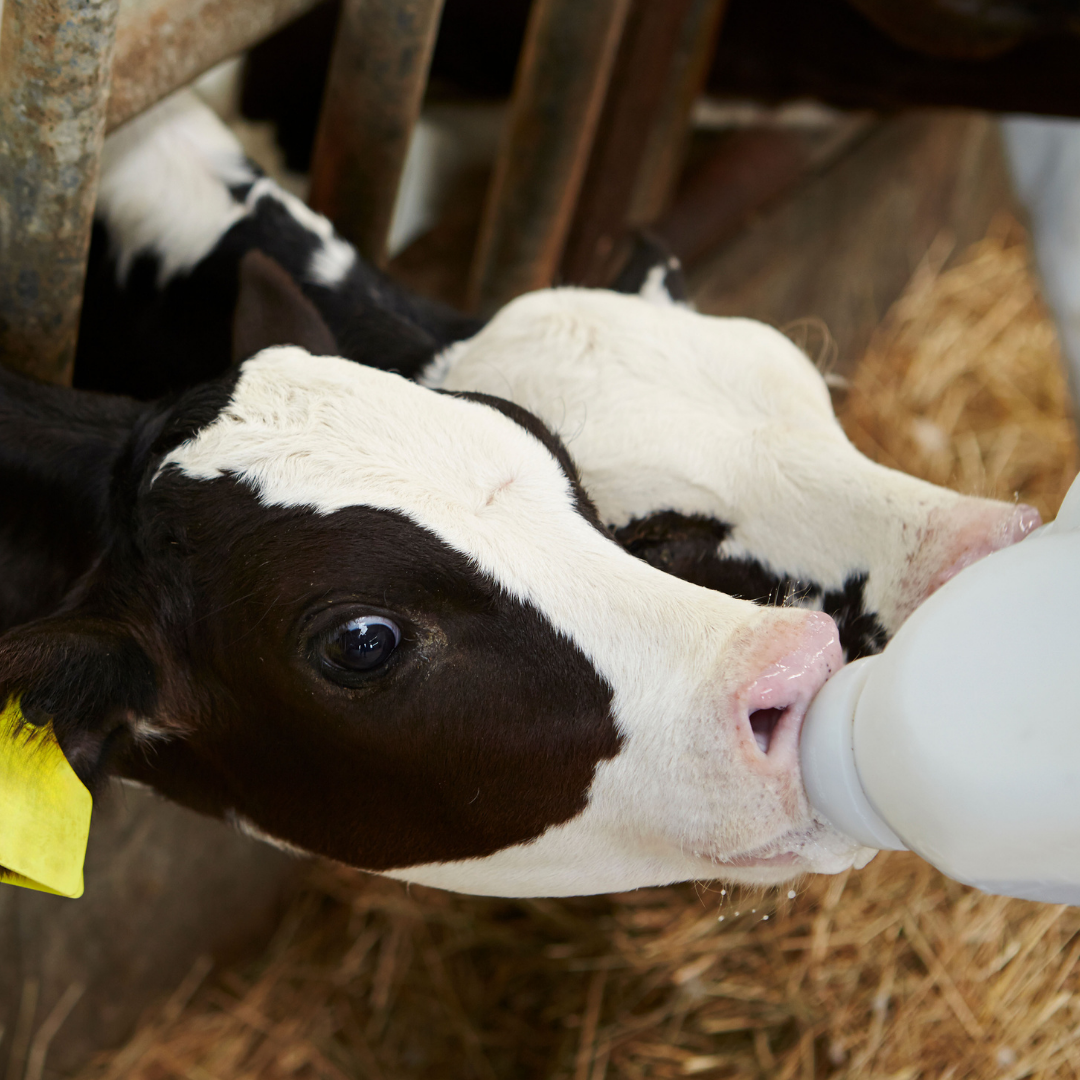
The importance of colostrum
What is colostrum?
The first milk a cow produces after giving birth.
Colostrum provides the calf with:
- Antibodies
- Protection against infections
- Energy
- Vitamins

A calf is born without antibodies and is therefore defenceless against the germs in its environment.
After birth, a calf has very few energy reserves.
Vitamins are essential for the calf’s growth.
Note: Colostrum contains everything a calf needs after birth.
- Colostrum is produced towards the end of pregnancy (around 4 weeks before birth)
- Good-quality colostrum comes only from healthy udders
- The calf’s intestines can absorb the nutrients for only a few hours
- Prompt administration is important
- This ability is lost as time passes after birth
Note: Colostrum must be checked for quality before feeding.
The importance of first colostrum
- The first colostrum is always better than substitute products
- Colostrum that can be fed
- Fresh colostrum from the mother cow
- Fresh colostrum from other cows in the herd
- Thawed frozen colostrum
Note: The best colostrum is fresh colostrum from the calf’s own mother.
Administering colostrum
Quantity: 3 – 4 litres
Time of the first feeding: within the first two hours of life
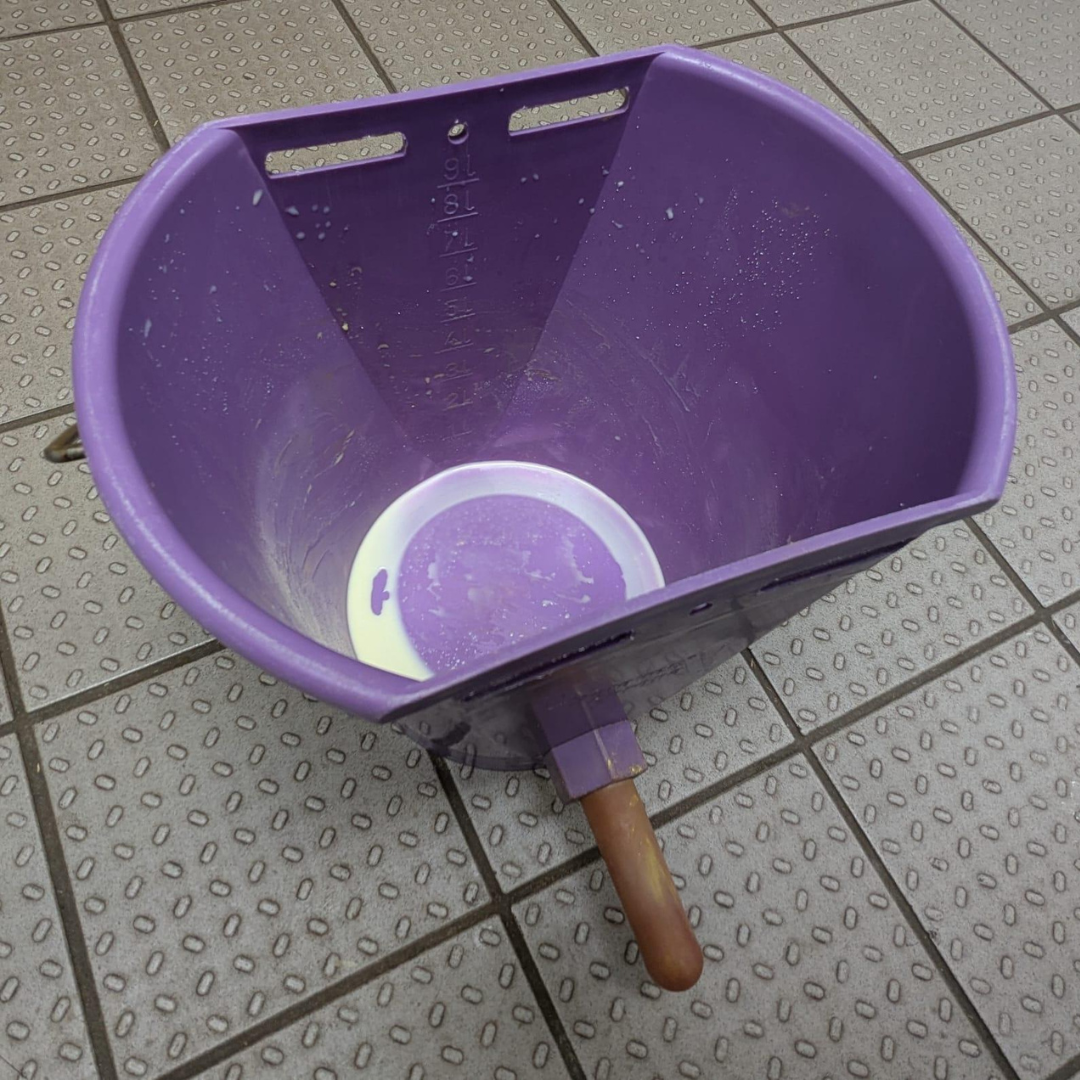
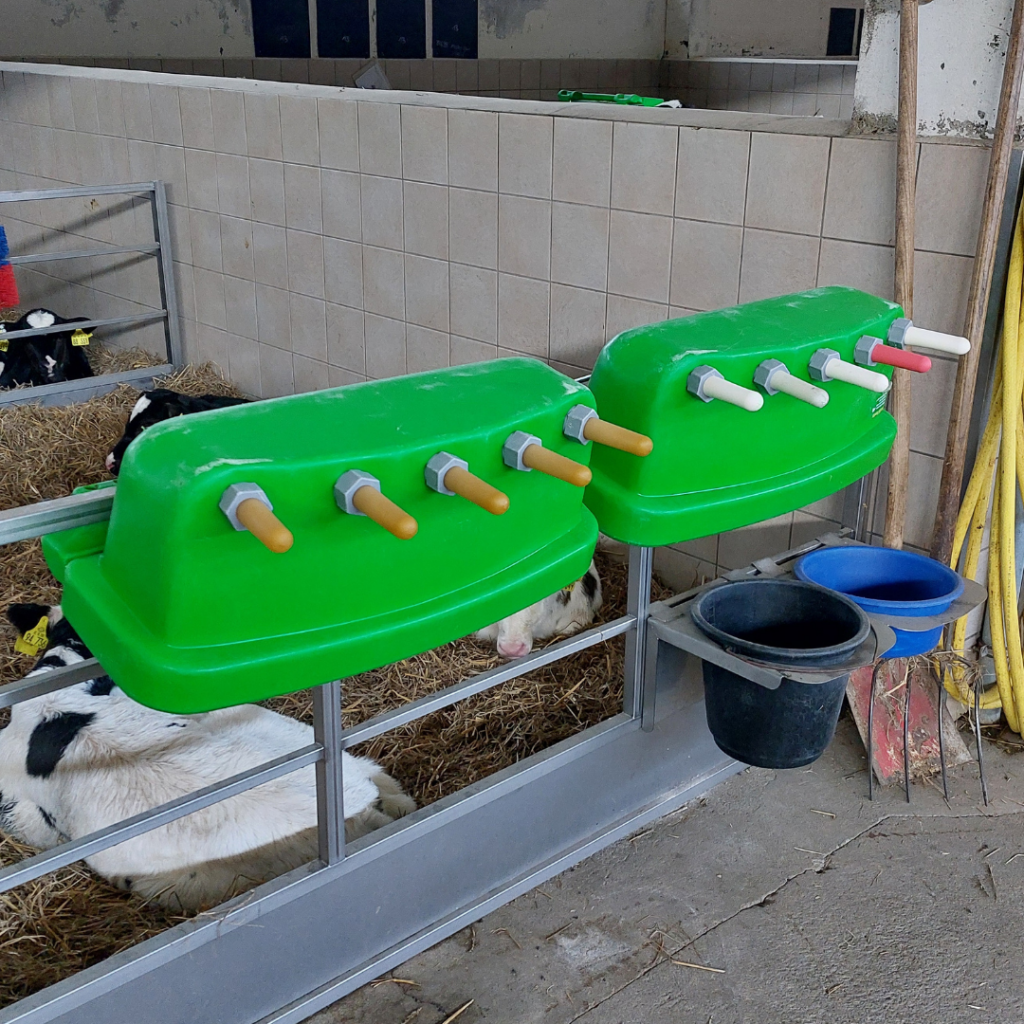
Cleanliness: clean milk pails and bottles

Cleanliness of bottle-feeding equipment
Store hygienically (to prevent recontamination during storage)
Rinse immediately after use with cold or lukewarm water to prevent milk residues from drying on
Clean with warm water (45–60°C) and an alkaline detergent – paying particular attention to areas where milk can easily build up (teat, screw thread)
Disinfect if necessary
Leave to dry
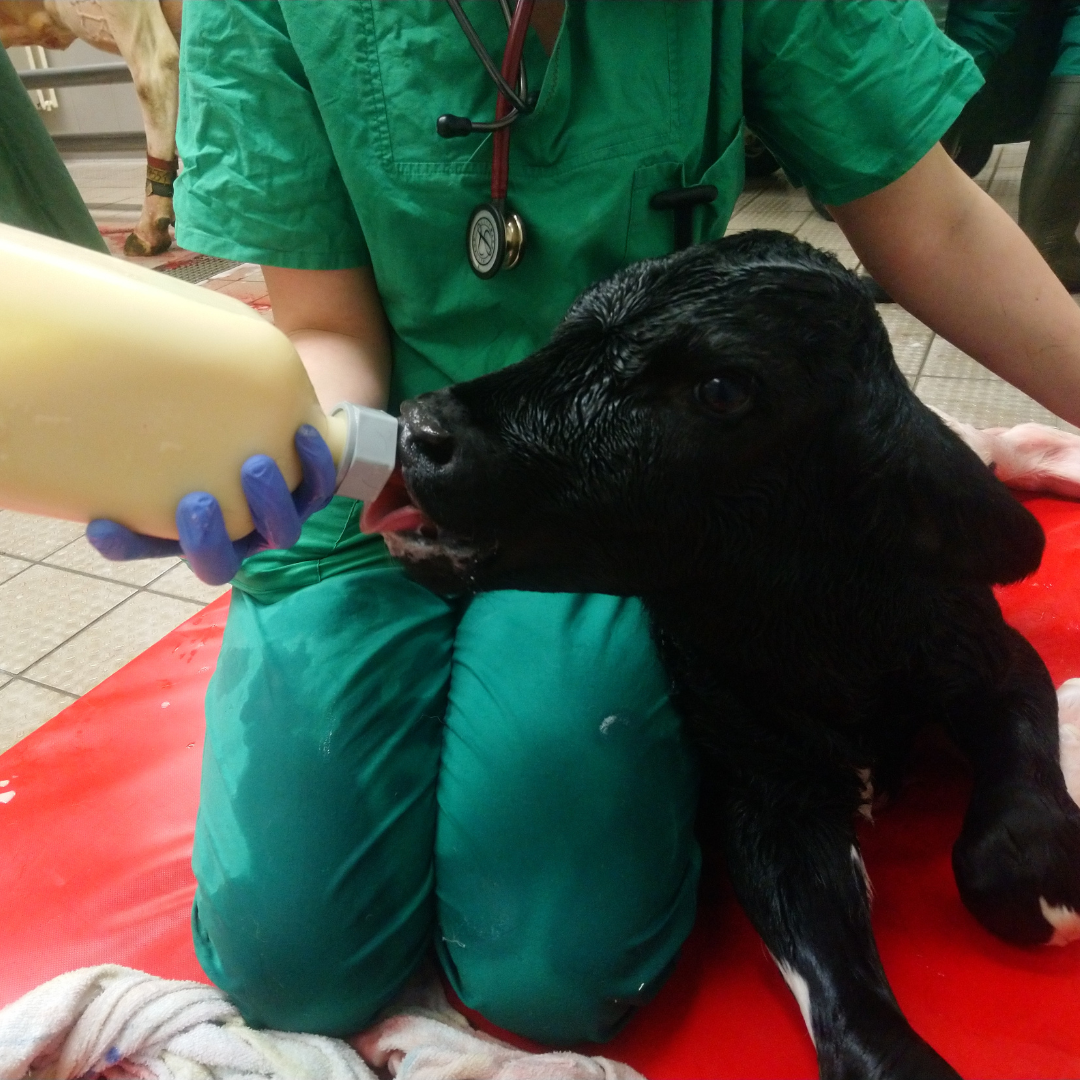
- Calves that refuse the bottle should be force-fed correctly (following instructions)
- Calves usually drink best immediately after birth.
- A checklist can be used to record colostrum administration

Source: JLU/Repro
Source: JLU/Repro
Source: JLU/Komm
Cleanliness of bottle-feeding equipment

Quality assessment
Refractometer
- Optical density increases with the quantity of ingredients
- Can be measured quickly
- Only a few millilitres are required
- Various refractometers available on the market
- Digital models are also available
- Measurement unit: Brix
- Guideline: > 22% Brix recommended

Source: JLU/Repro

Source: JLU/Repro

Source: JLU/Repro
Note: A high concentration of nutrients indicates a high content of antibodies and is a sign of high-quality colostrum.
Density
- Suitable as a quality criterion, but prone to malfunction
- Prone to malfunction due to the fragility of the device and its dependence on the temperature of the colostrum
- Measuring device: colostrometer
Principle: The deeper the colostrum probe penetrates the colostrum, the poorer the quality
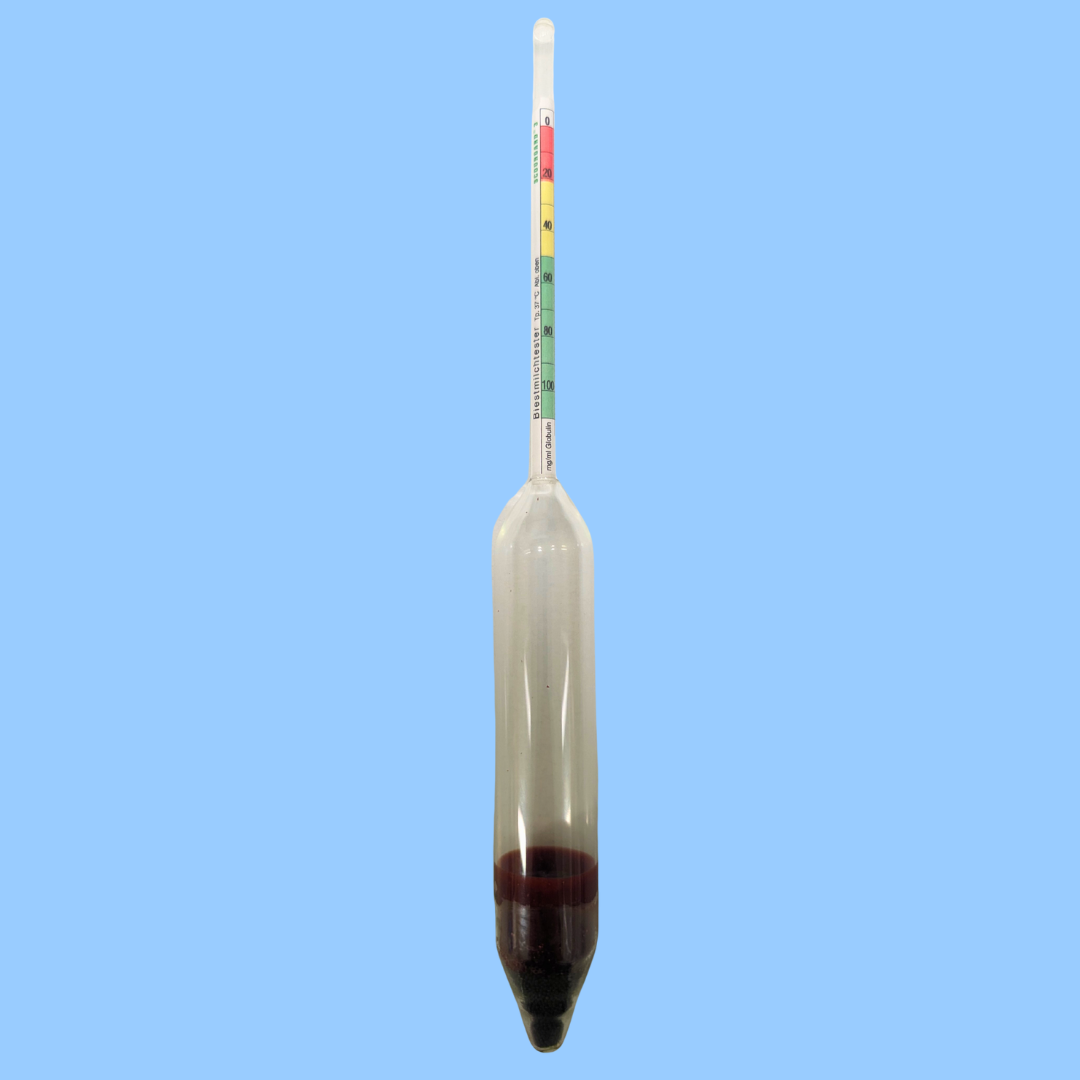
Source: JLU/Repro
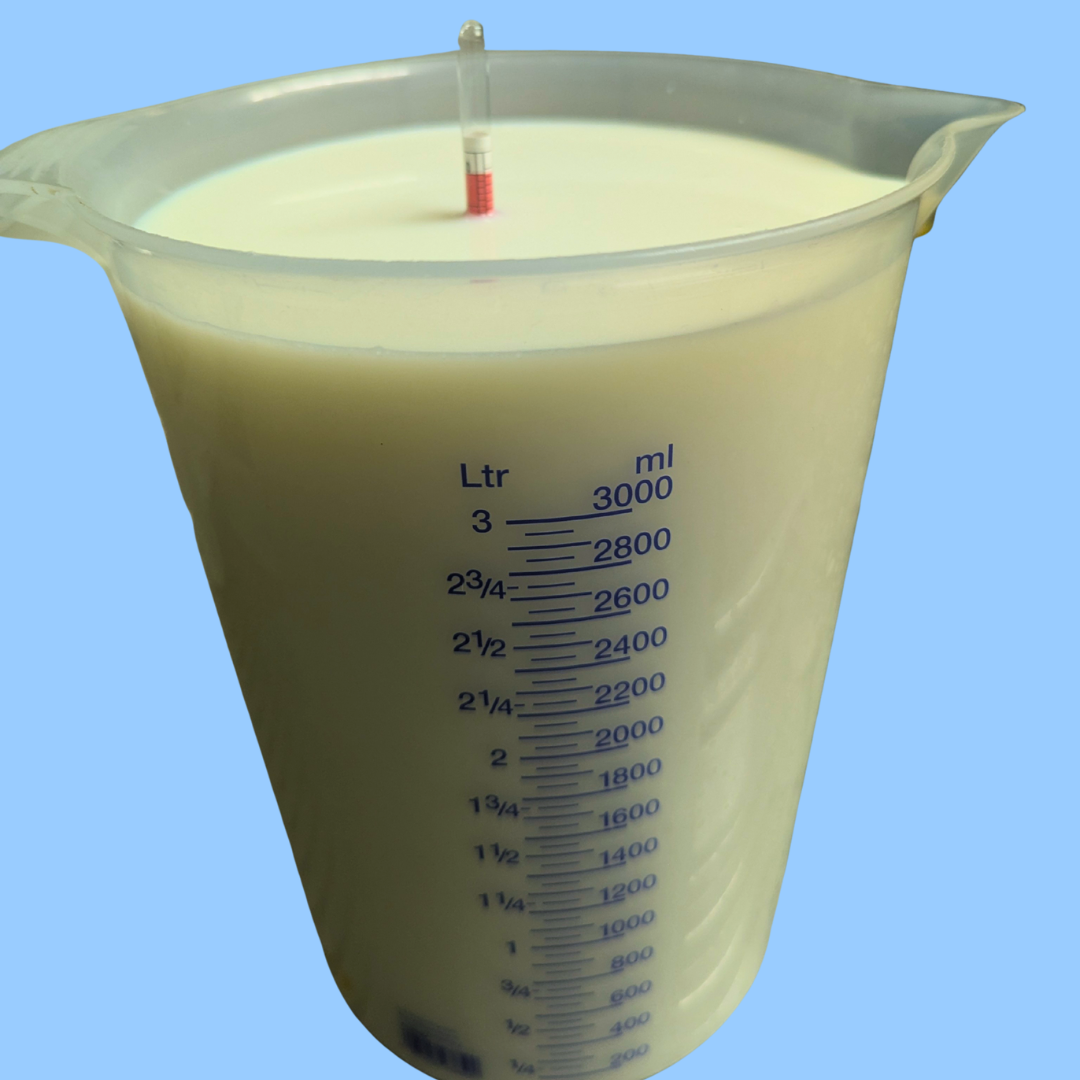
Source: JLU/Repro
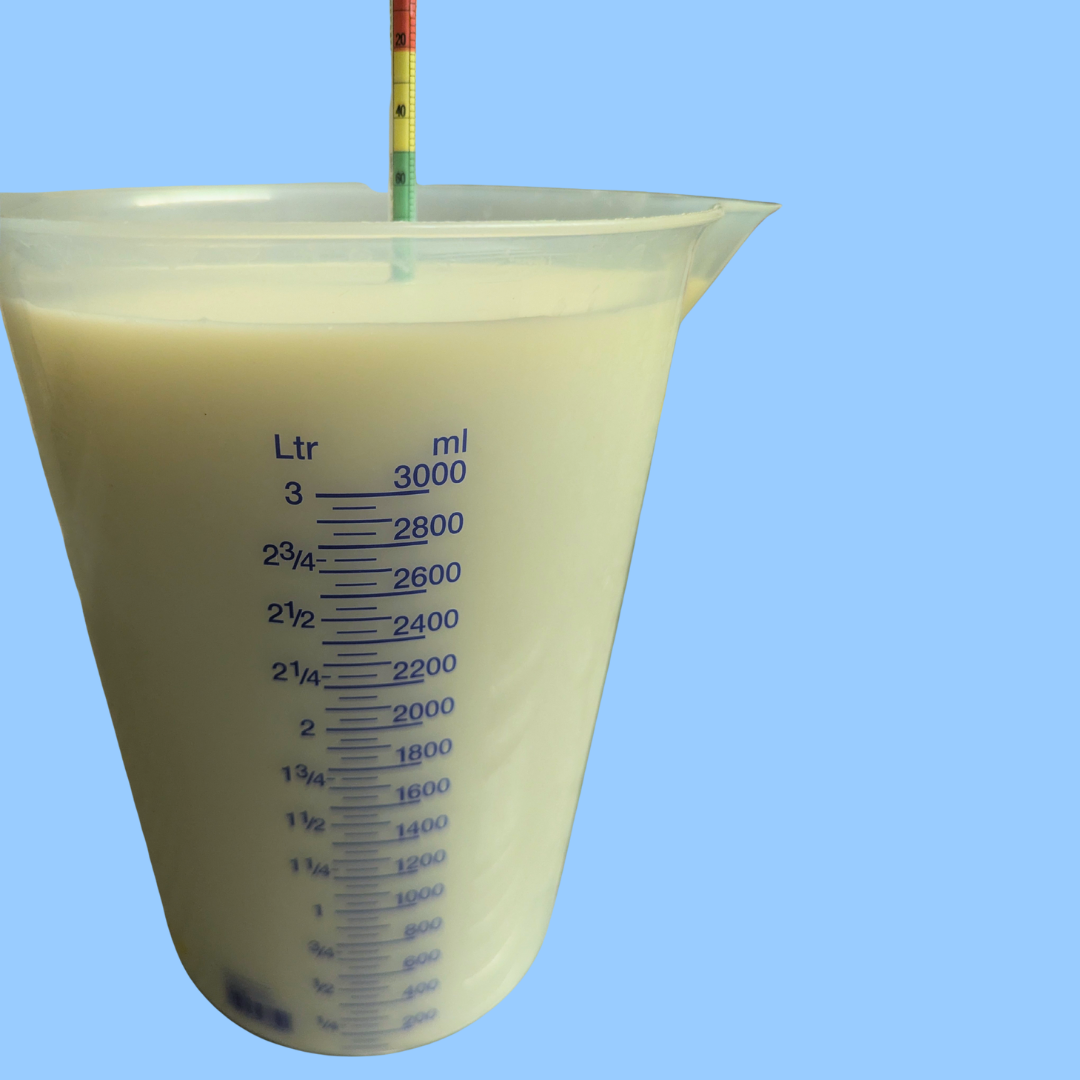
Source: JLU/Repro
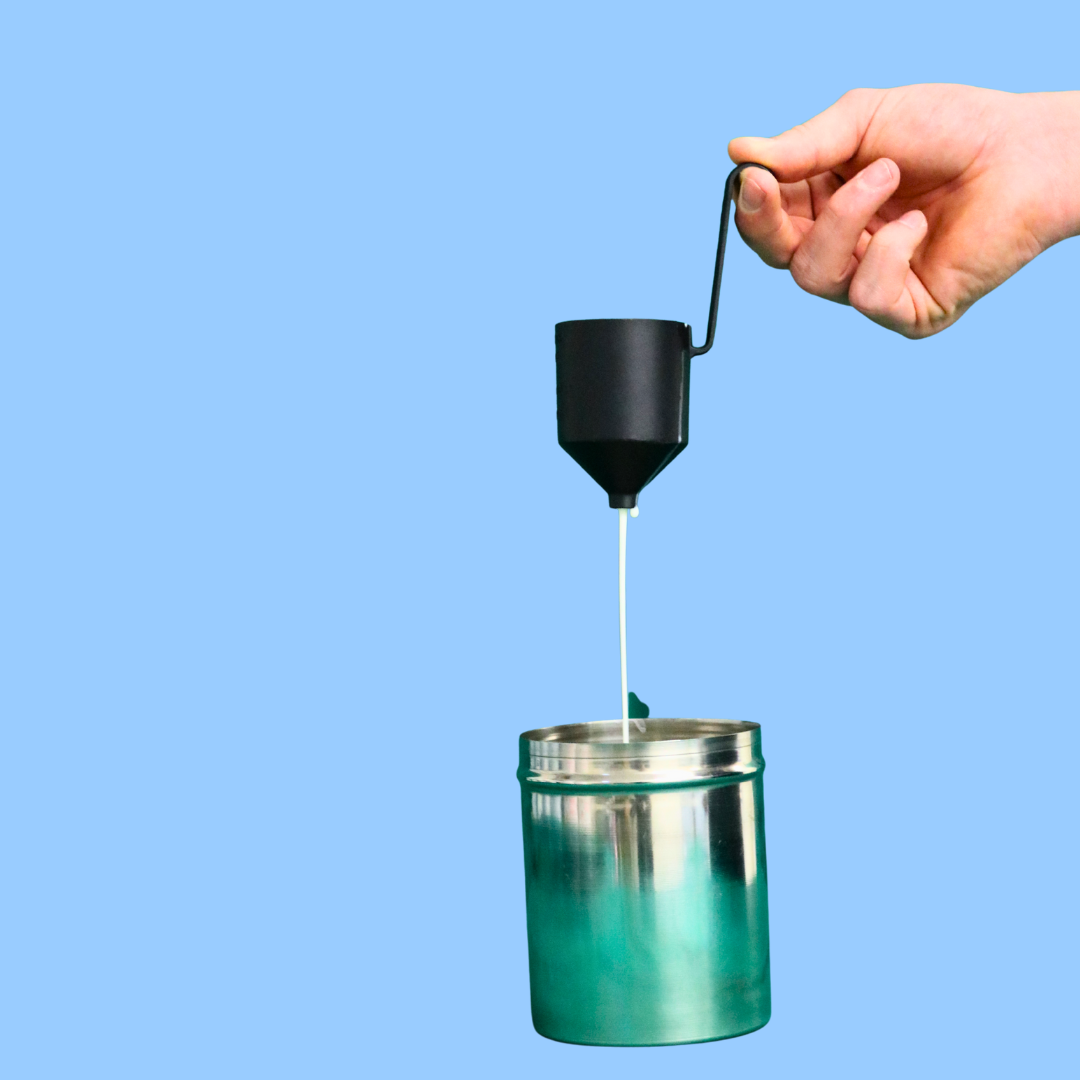
Viscosity
- Measured by the flow time from a funnel
- Viscosity
- Very suitable
Colostrum colour
- Not really suitable as a quality criterion
Colour variations may be caused by differences in ingredients (e.g. varying levels of fat and fat-soluble vitamins) or by the addition of other substances (e.g. blood).

Storing colostrum
In principle, colostrum can be stored, but there is a risk of bacterial contamination. It can be stored in a deep-freeze for over a year (in what is known as a colostrum bank).
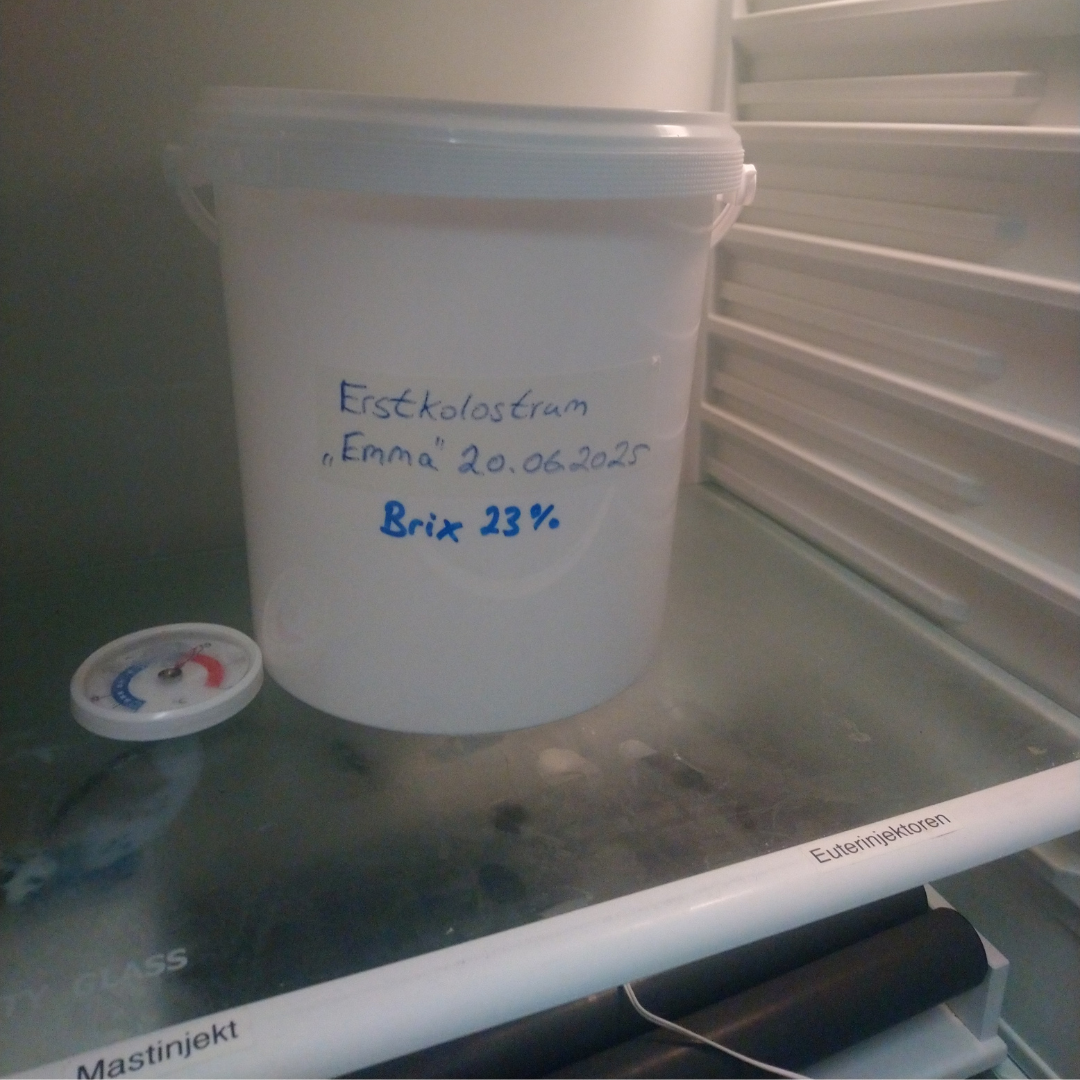
Guidelines for storing fresh colostrum
- Clean collection (as with milking)
- Use clean containers (> hygiene rules)
- Cover the containers
- e.g. a clean, food-grade plastic bucket with a lid
- Store in a cool place (in the fridge)
- Shelf life: no longer than 2 days
Source: JLU/Repro

Source: JLU/Repro
Storing colostrum

Summary
Colostrum contains everything a calf needs after birth. Good colostrum comes only from healthy udders.
The quality of the colostrum should be checked before feeding. The first portion must be fed within the first two hours of life.
When feeding, particular attention must be paid to the cleanliness of the equipment. Cleanliness is also important during storage.
Further information
Quiz to check your understanding