


The transition period
The transition period covers the 30 days before calving and the 30 days after calving.
Transition management is crucial for the calving process and the cow’s start to the next lactation.
During the transition period, the cow undergoes many changes, which is why she is more sensitive to environmental factors.
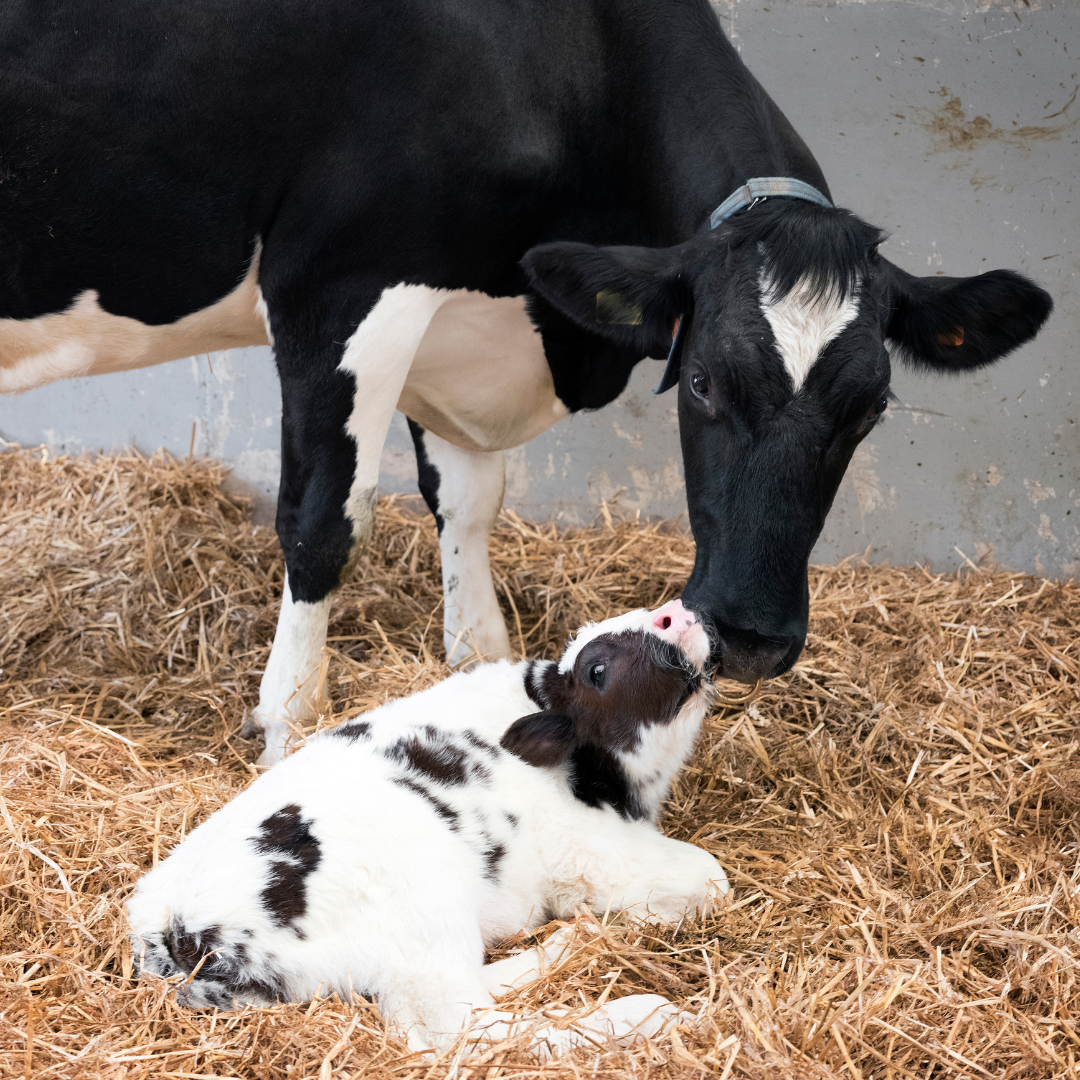
The benefits of good transition cow management include improved animal health, fewer complications during calving and, as a result, reduced labour, time and costs, as well as improved milk yield. This module explains which factors influence the transition period and how you can identify potential problems in this area.
As a care provider, you can support the cow during the transition period by paying attention to the following factors: feeding, water supply, housing hygiene and behavioural observation.
Furthermore, factors such as stall design, barn climate, group composition, feeding of older dairy cows and drying off are significant in the management of cows in transition and are important for the health and welfare of both cows and calves. Further information on these topics can be found in the relevant learning modules.
Housing hygiene
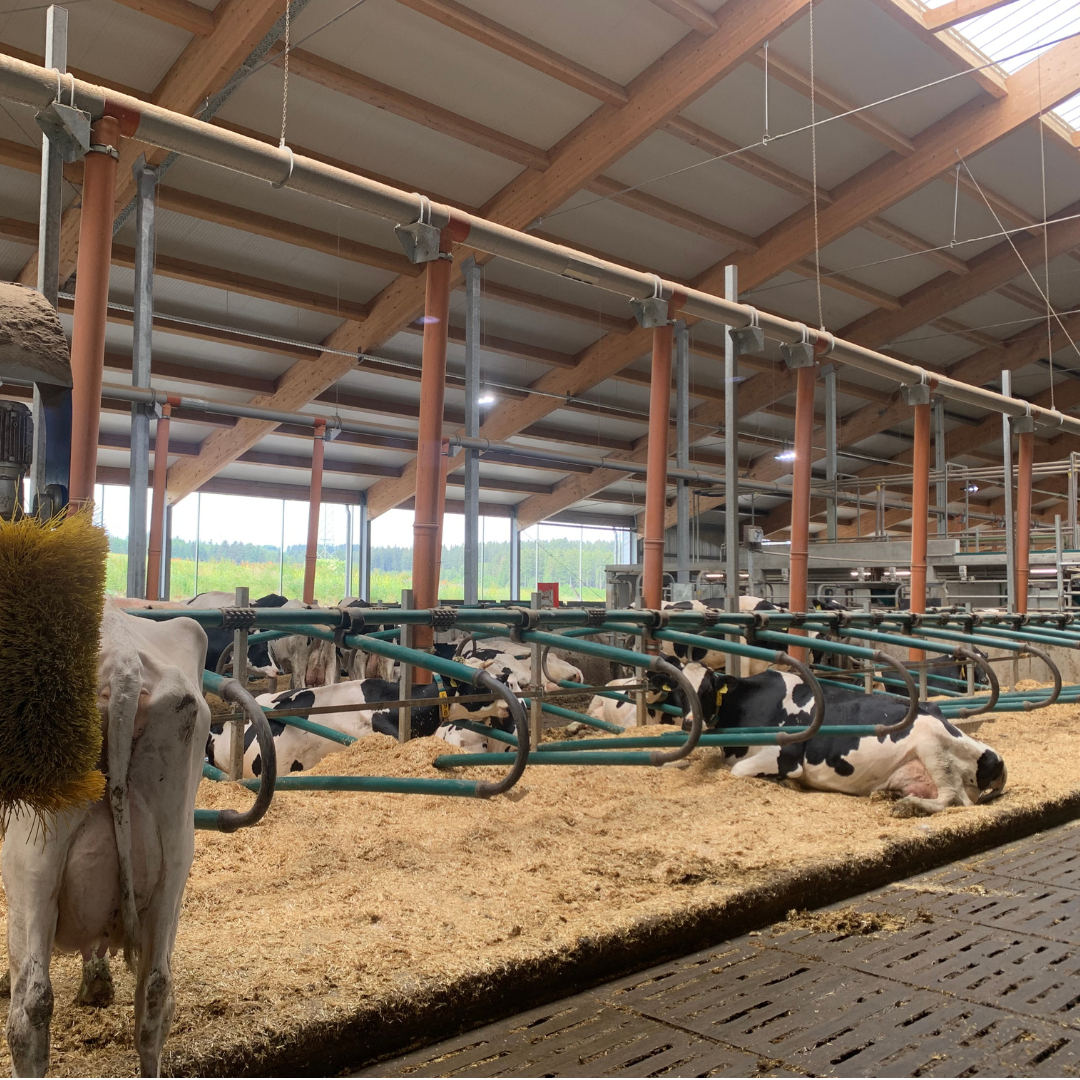
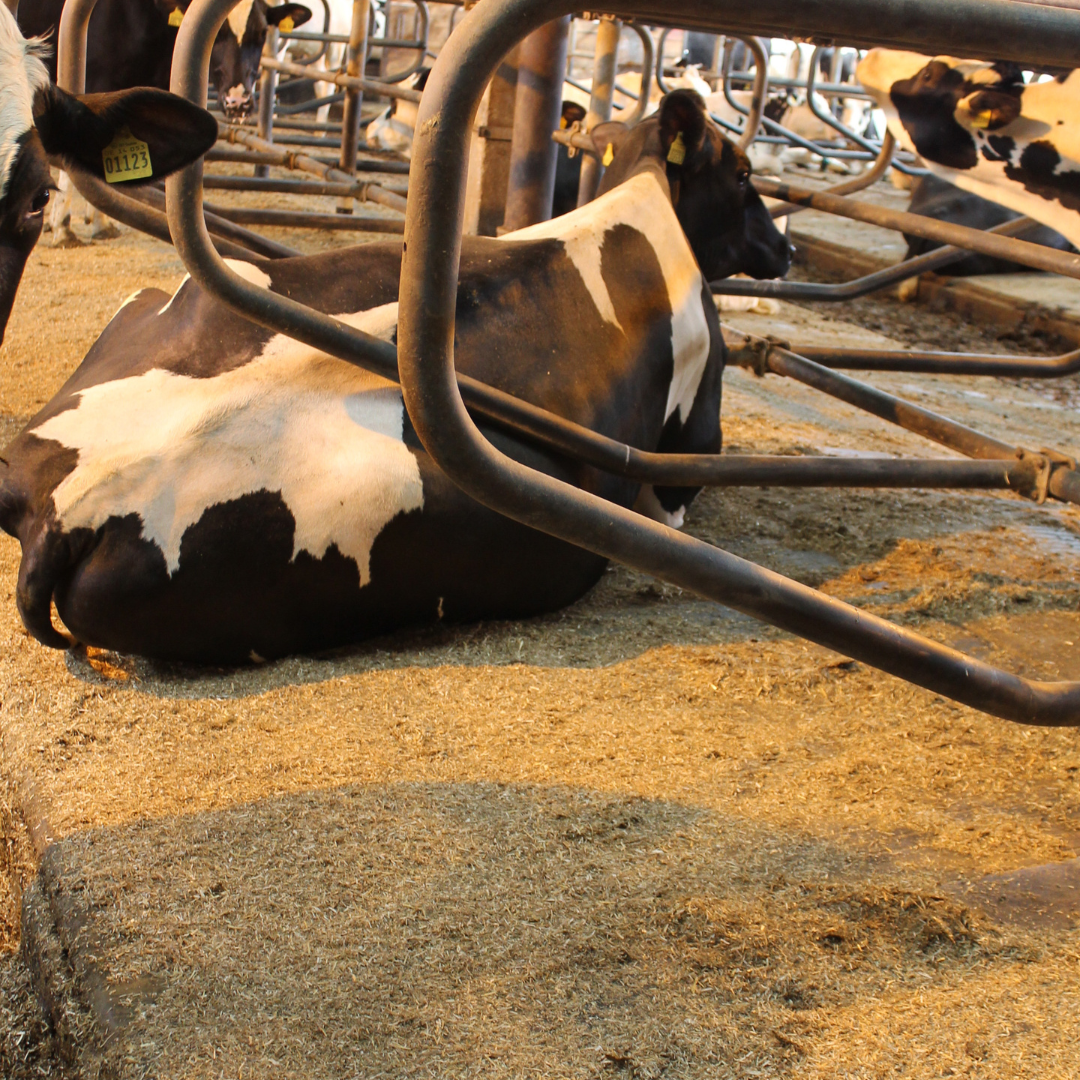
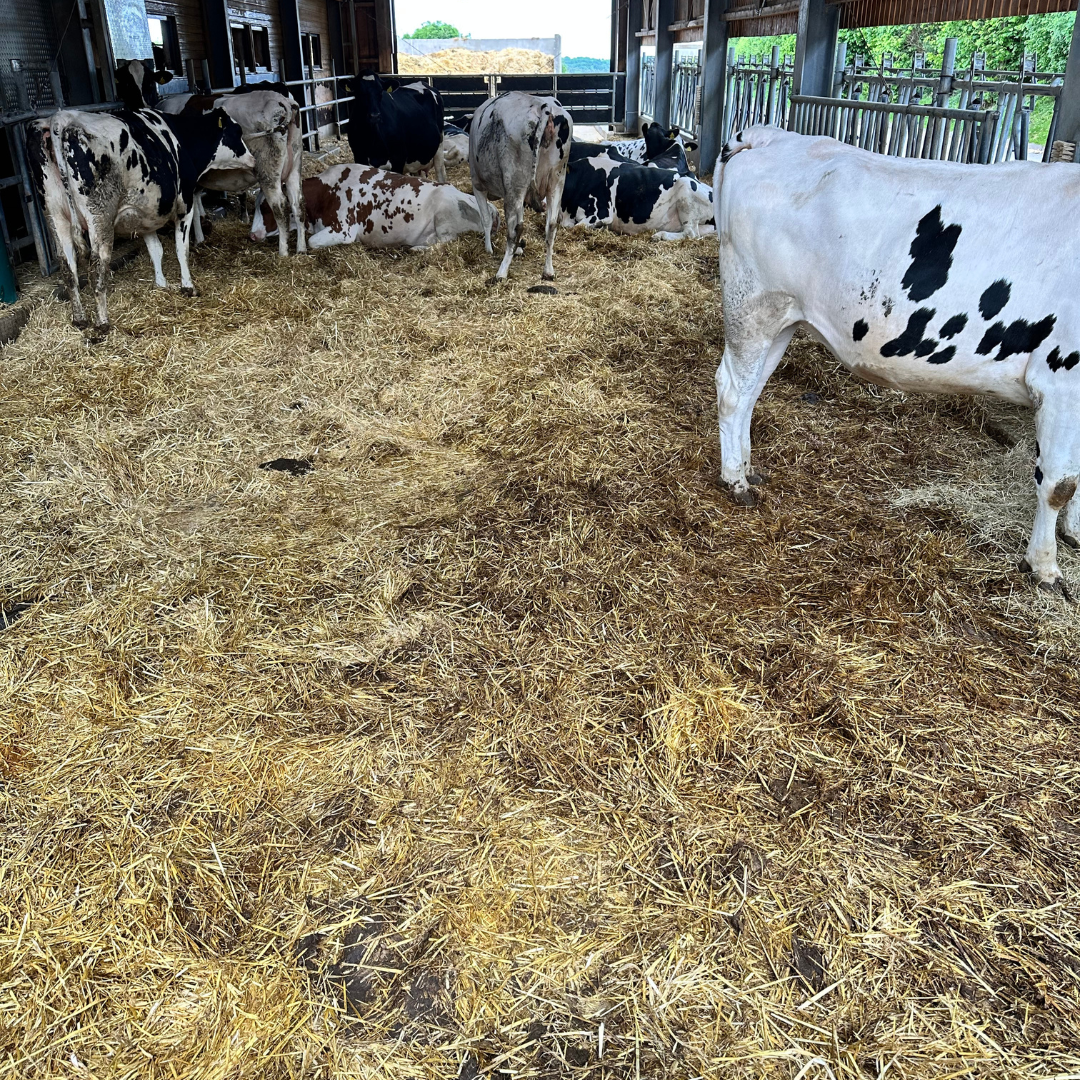
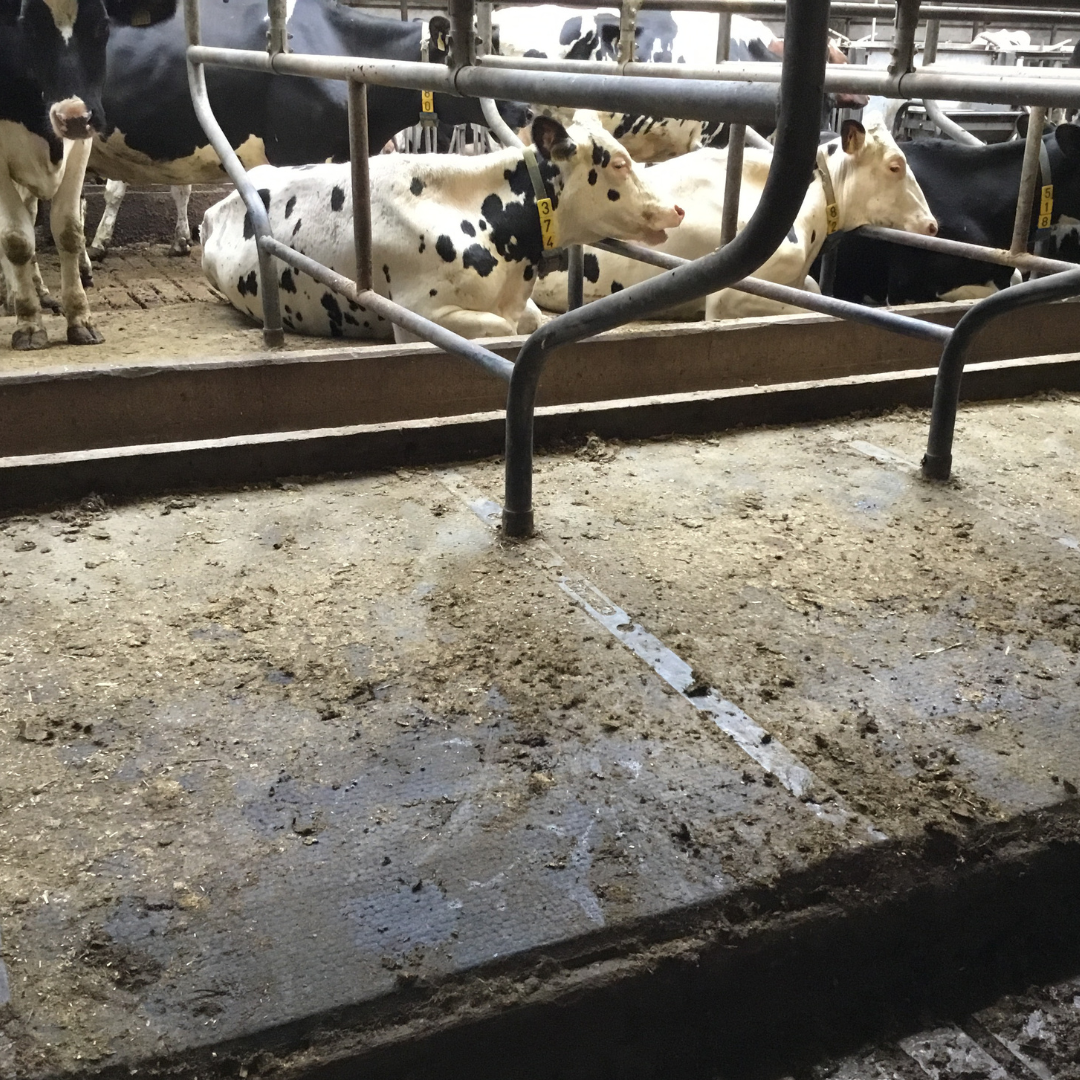
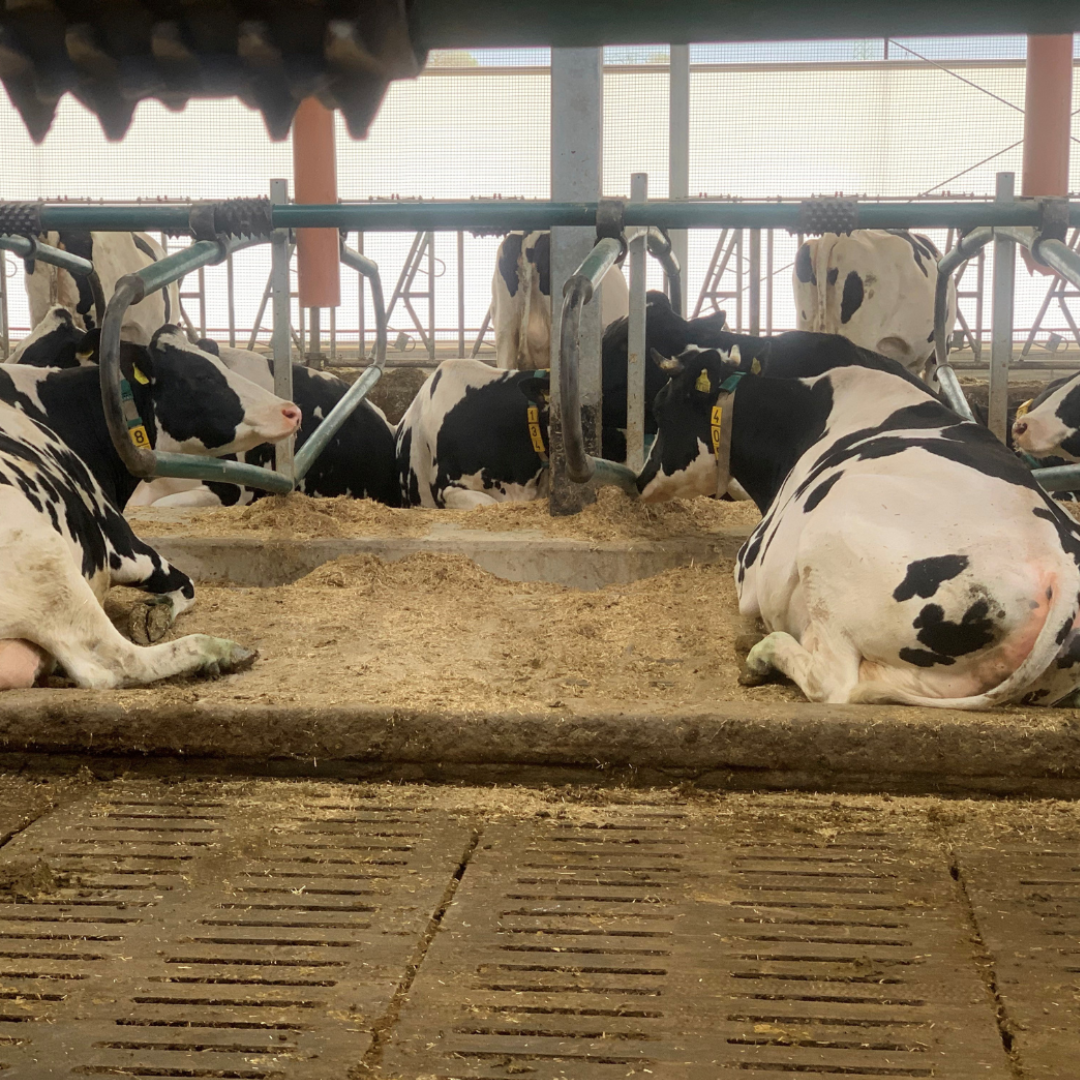
Location, climatic conditions and hygiene have a significant impact on the animals’ well-being. As a care provider, you can support the cow during the transition phase by paying attention to the following factors:
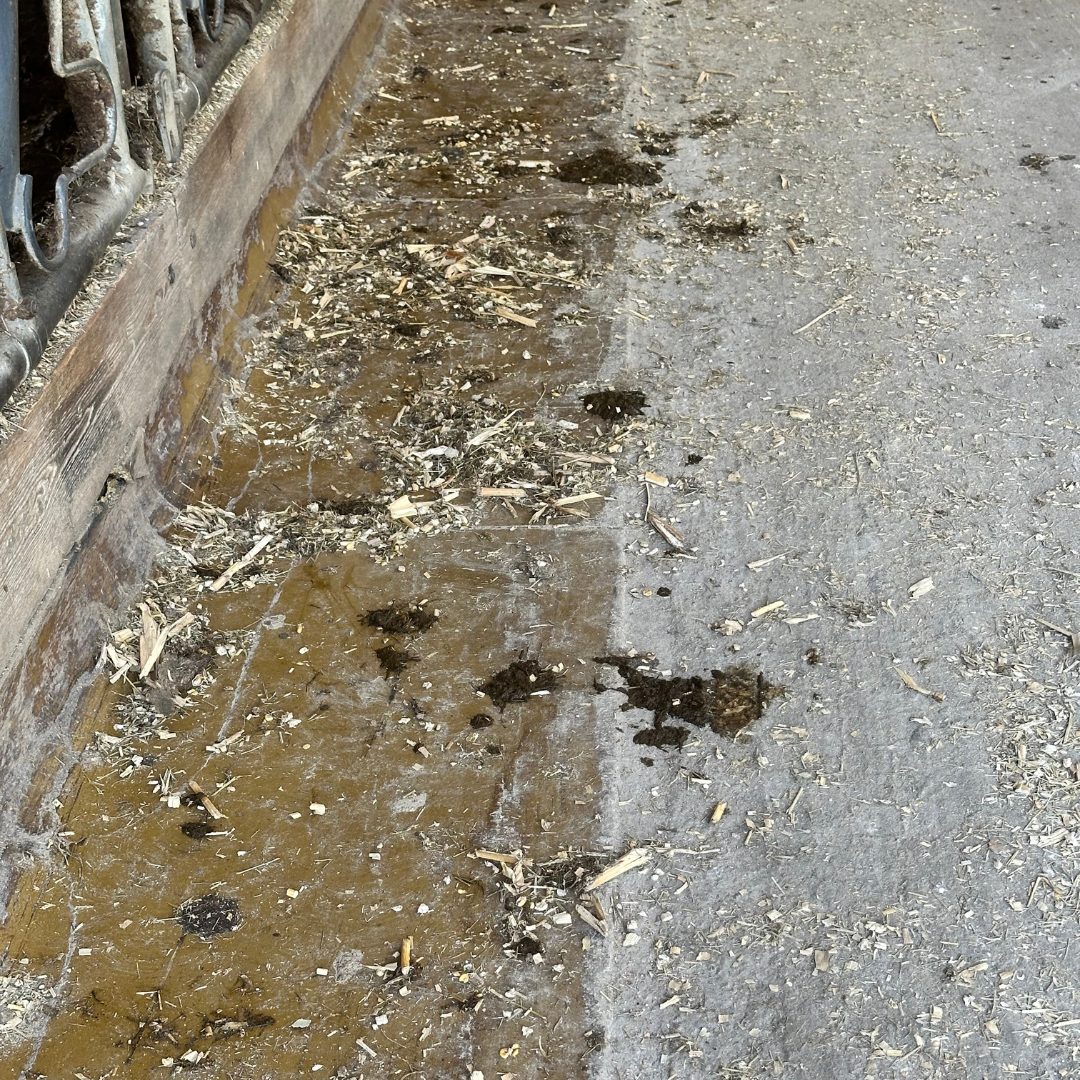
- Cleaning out regularly
- Cleaning and disinfecting the floor regularly
- Cleaning water troughs daily
- Keeping the bedding area dry
- Ensuring good ventilation and preventing draughts
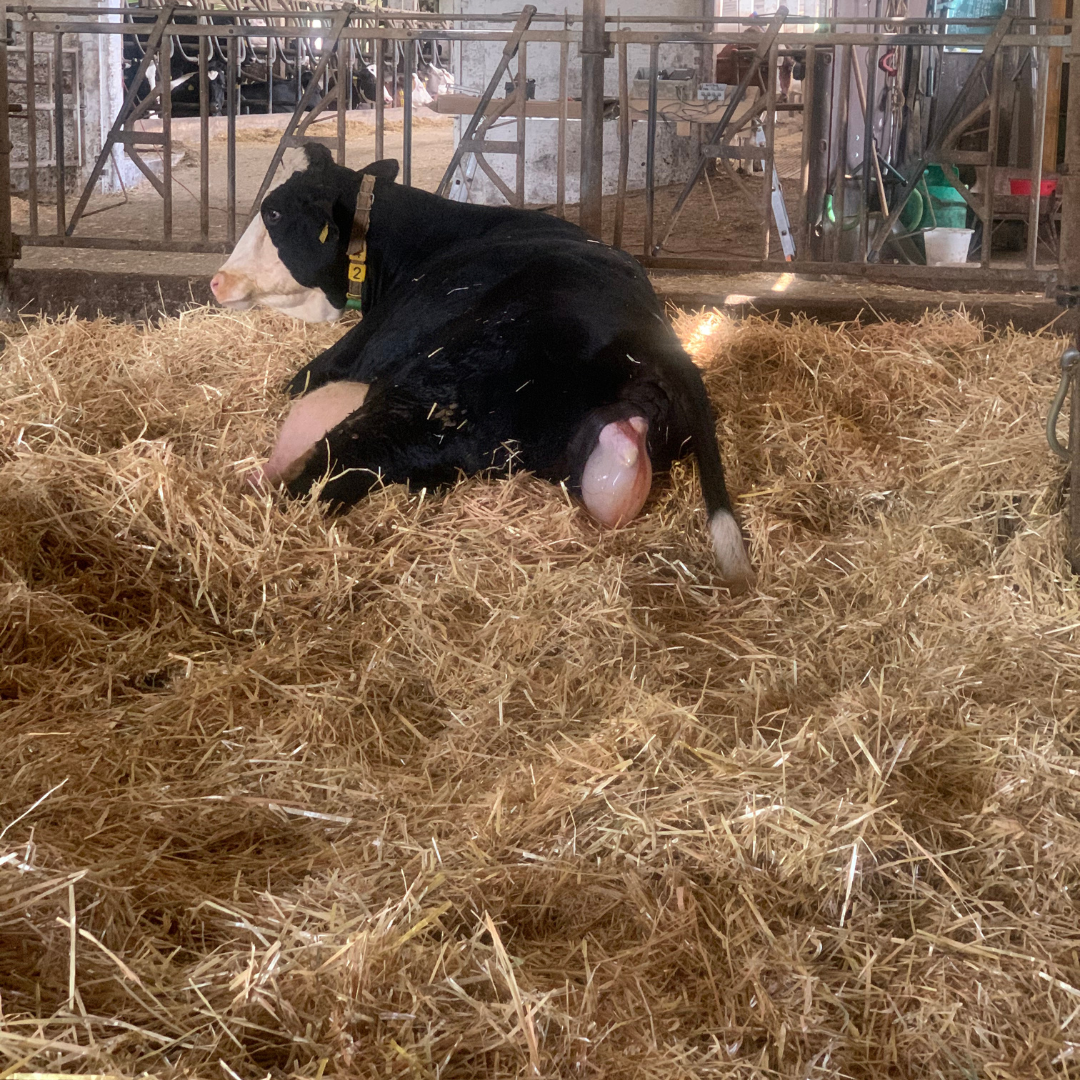
- Separating cows/heifers for calving
Housing hygiene


Important
Take immediate action to address:
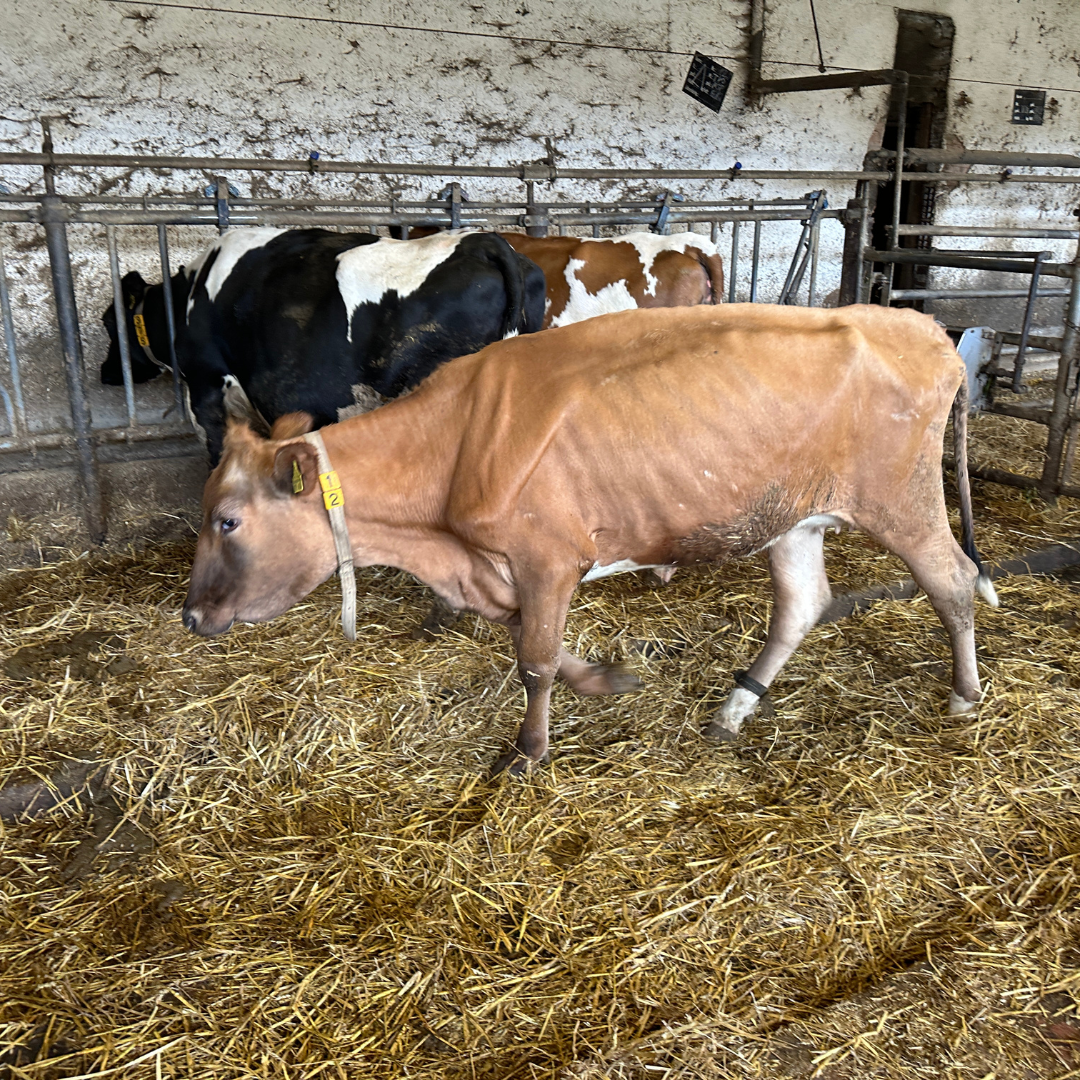
· Lameness
· Animals spreading their legs, particularly around calving time
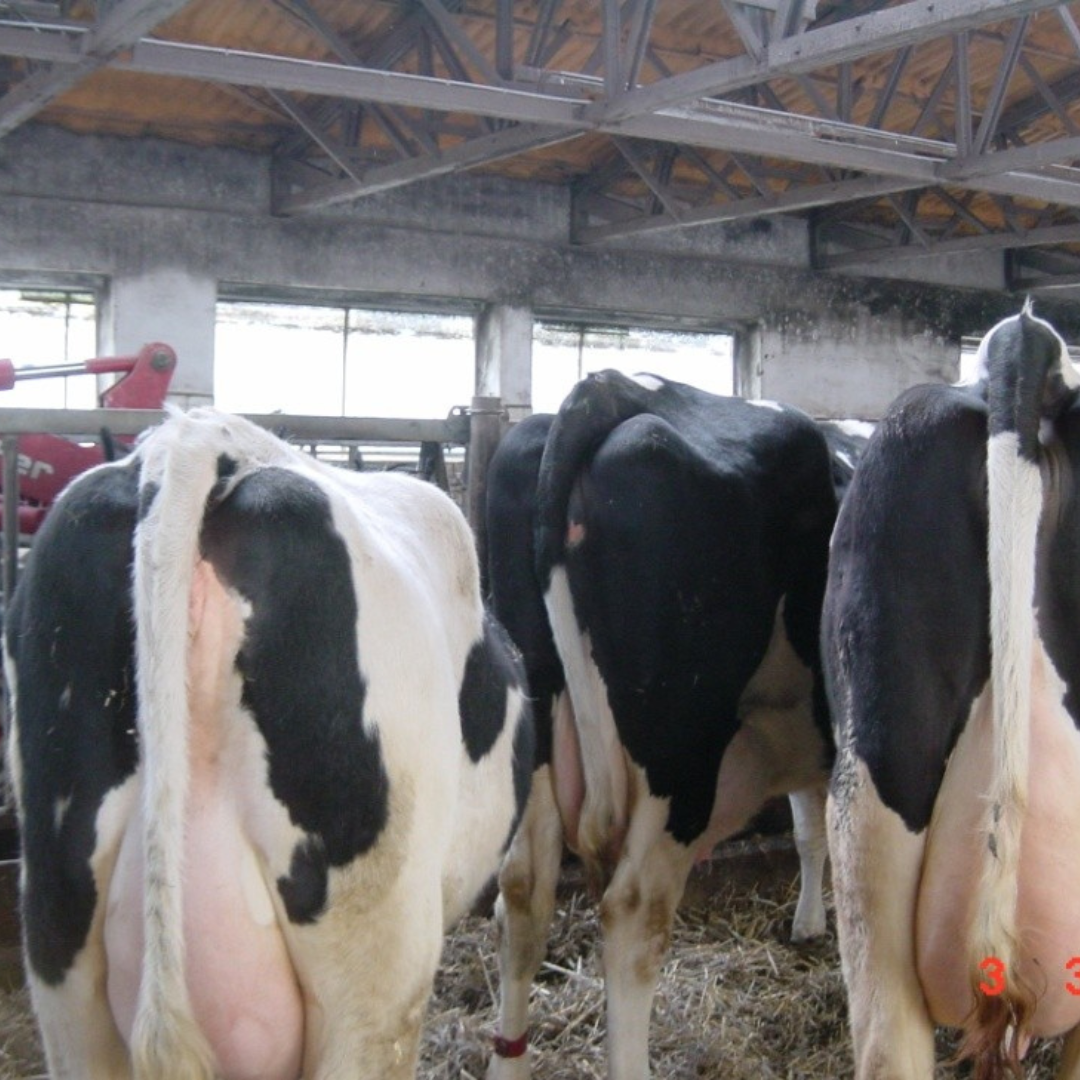
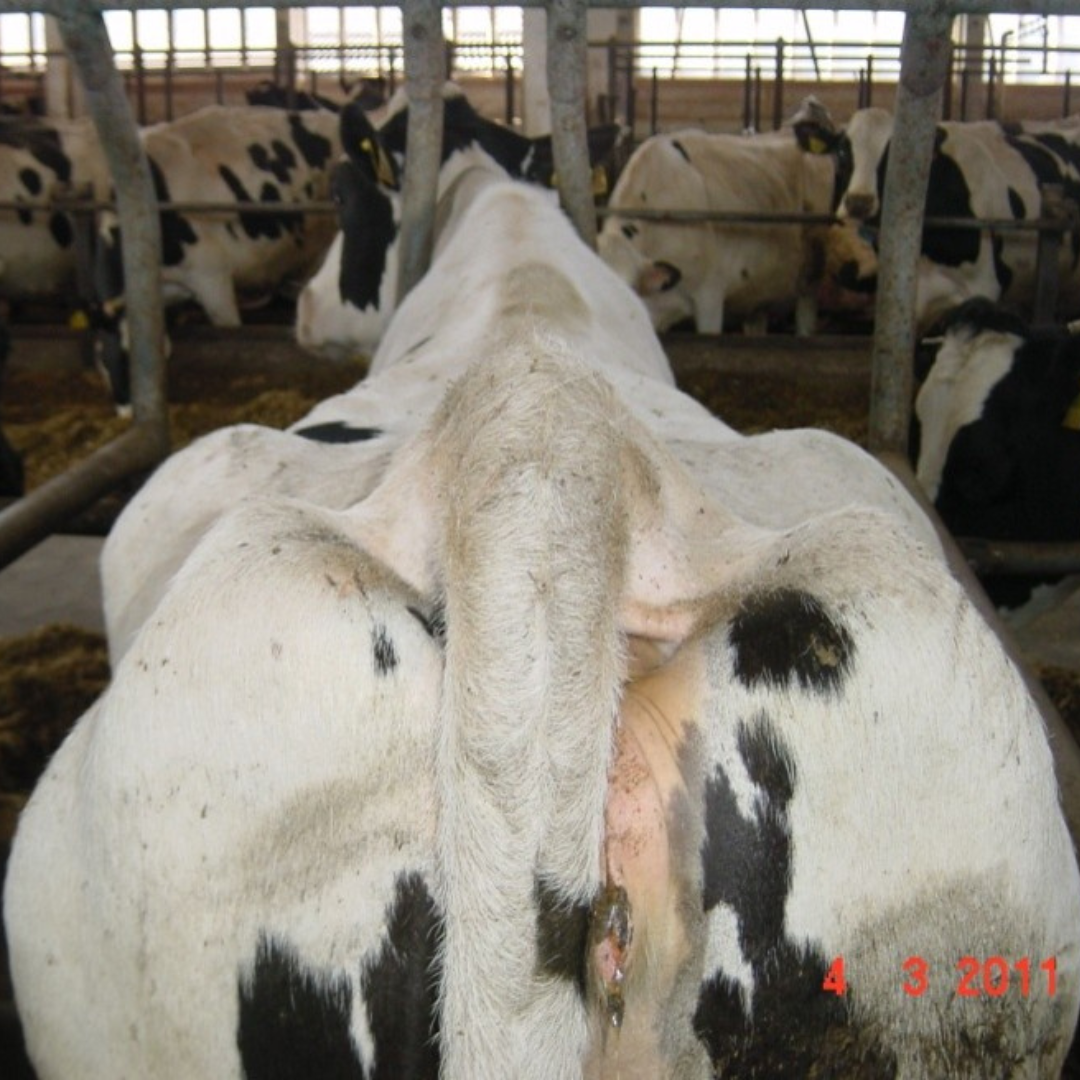
· Poor hygiene among the animals
· Frequent occurrences of mastitis
· Reduced feed and/or water intake
· Occurrence of injuries or wounds
· Diarrhoea in calves just a few days old
· Occurrence of respiratory diseases
Here is what to do:
· In an emergency, contact the vet immediately
· If the animals need immediate assistance (to be taken out of the herd!), contact colleagues and the herd management team
· Further documentation and responsibilities will be decided by the herd management team
Feeding
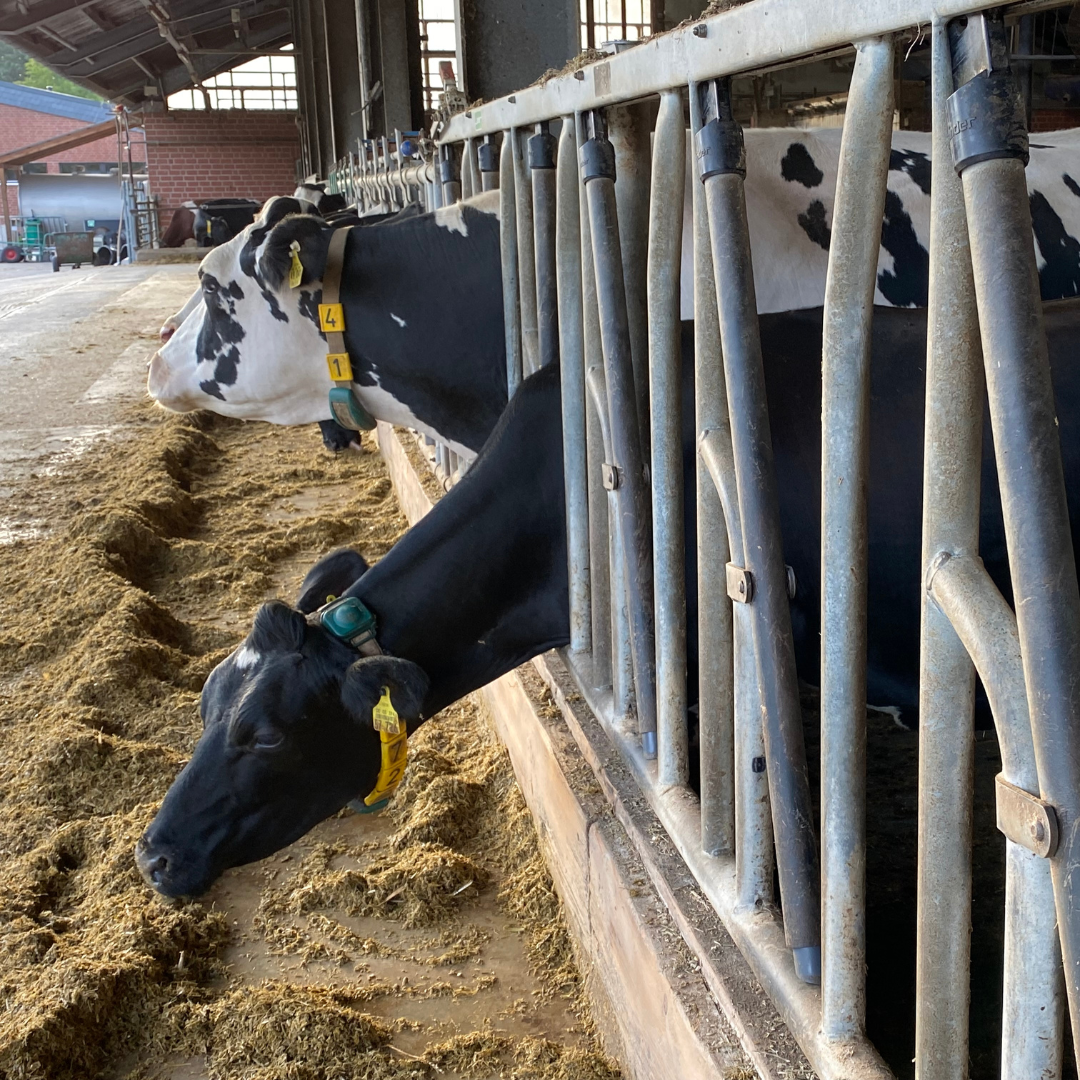
The composition of the ration, the way the feed is presented and the quality of the feed have a significant impact on the course of the transition period.
- The feed provided must meet the actual requirements of the group of cows in transition (in terms of both quality and quantity!)
- Feed rich in fibre, such as hay or straw, must be used (hay as a single component, straw mixed into the ration)
- The feed components must be free from mould and/or yeast, as well as other contaminants or foreign matter (e.g. lumps in the silage)
- Visual inspection; any abnormalities must be reported to the herd manager
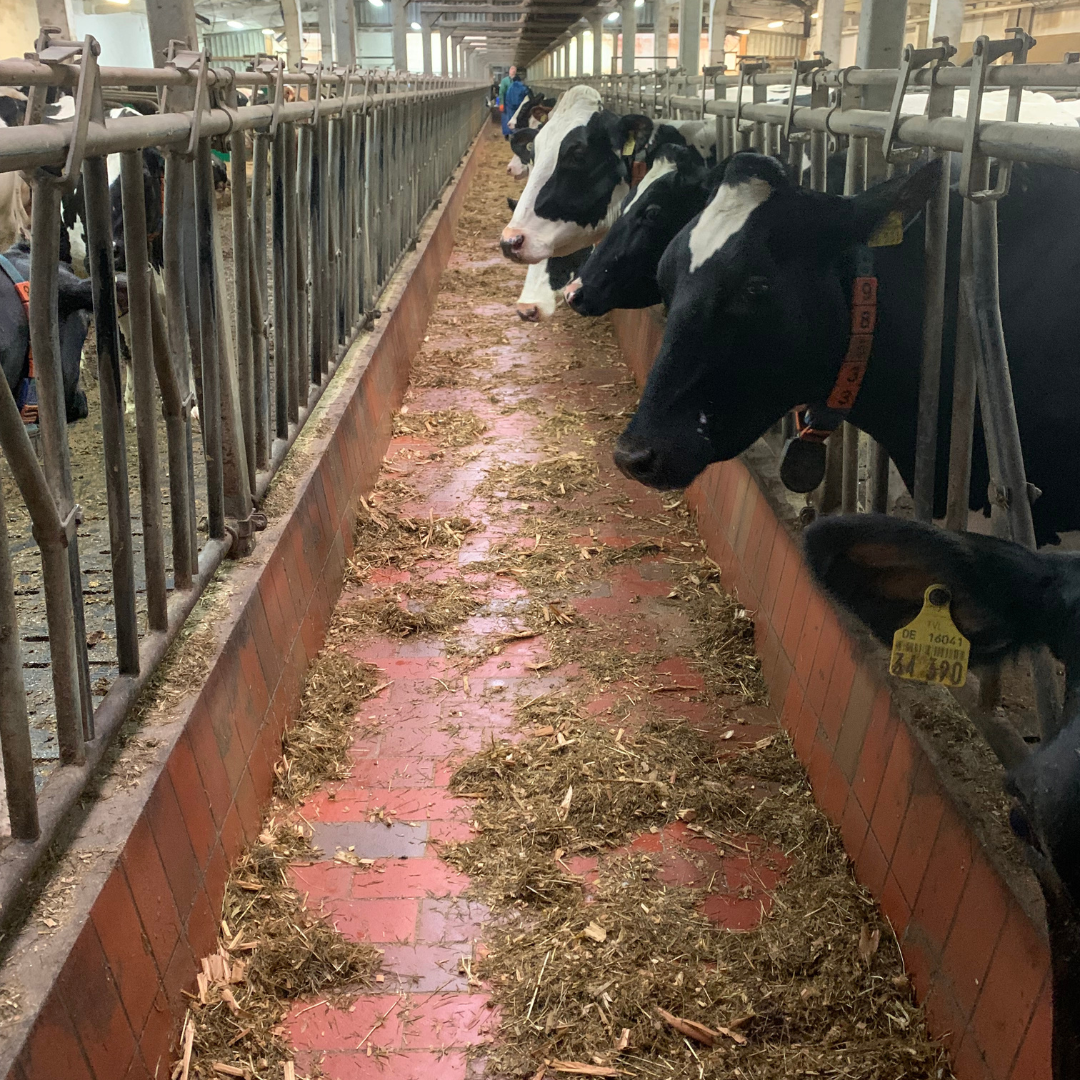
- The feeding table must be cleaned (wiped down) every day
- Do not feed leftover food from other animal groups
Feed management
Important
Take immediate action to address:
· Increased or minimal amounts of leftover feed, or significant daily fluctuations in the amount of leftover feed
· Feed that has been sorted out (straw that is too long) or has not been mixed properly
· A clearly noticeable improvement or deterioration in body condition
· Difficulty standing around the time of calving or a few days afterwards
· Abnormal behaviour, such as drinking urine or licking walls
· Increased susceptibility to disease
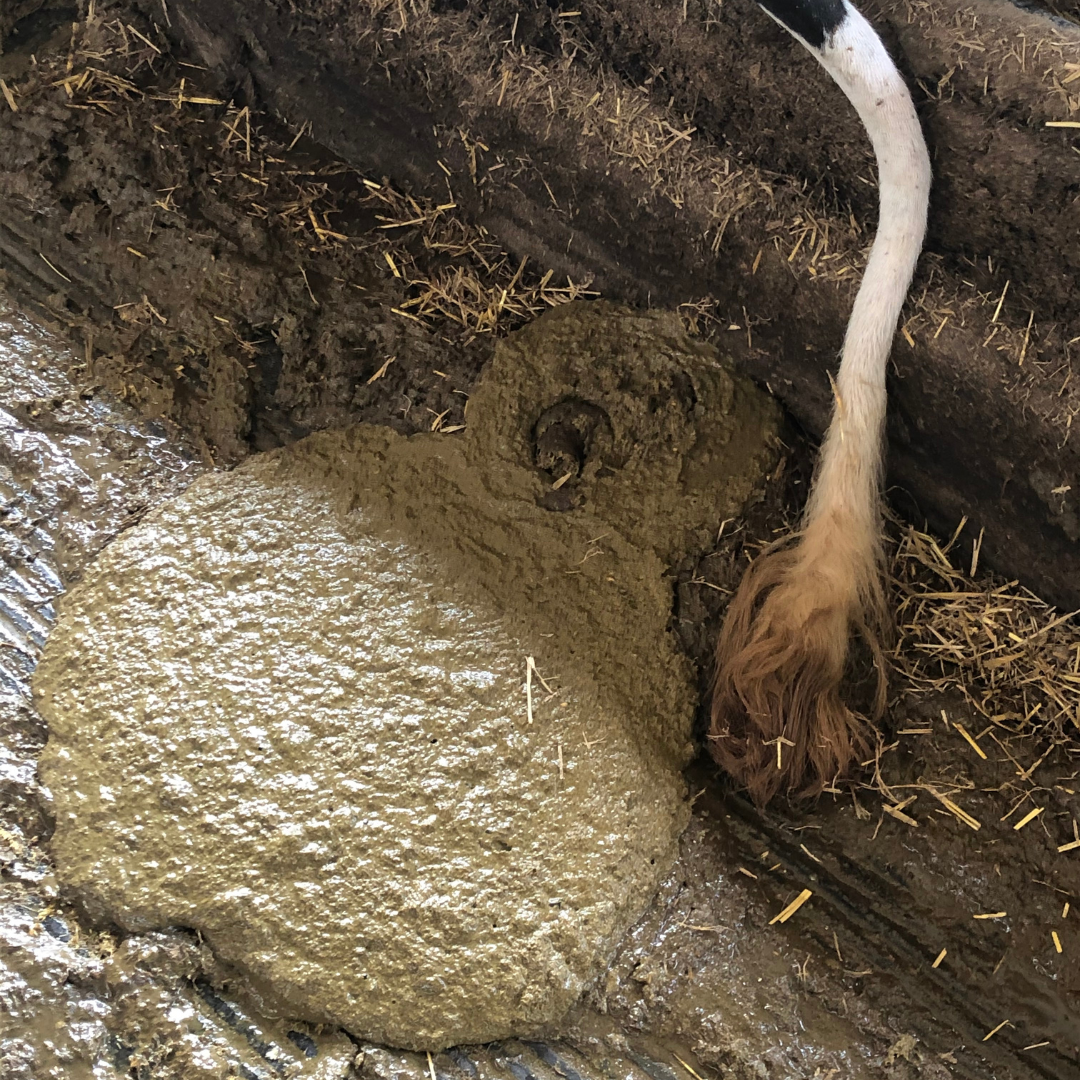
· Watery faeces or diarrhoea
· Hard faeces, dark-coloured faeces
Here is what to do:
· Report to management
· Check the functionality of the drinking and feeding equipment
· Provide good-quality hay in the event of diarrhoea
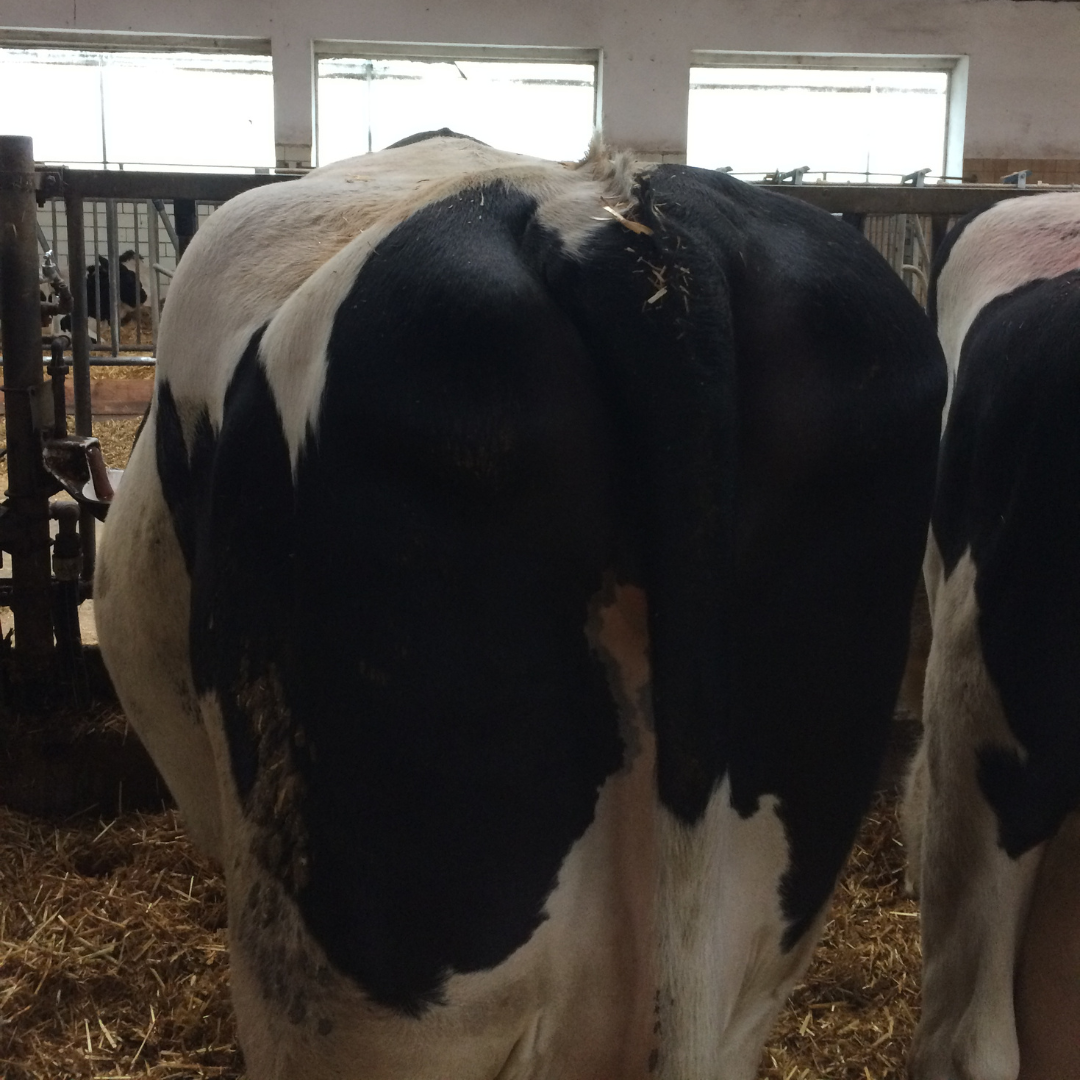
Visual health check
Water supply
A good water supply is essential for good feed intake; the following factors are important:
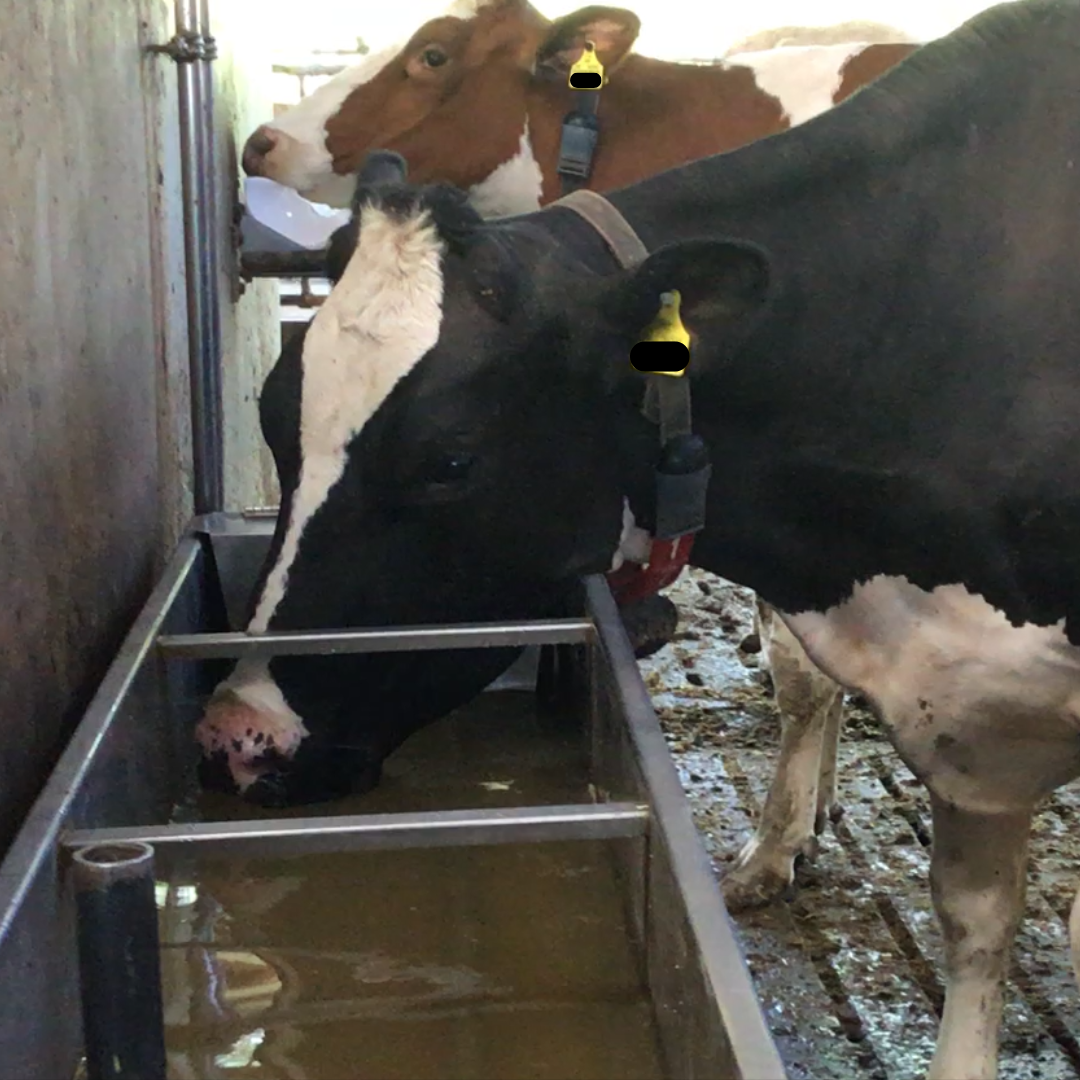
- A sufficient number of large drinking troughs (a total of 10 cm of water surface area per animal)
- Easy for the animals to use
- Easy for humans to operate
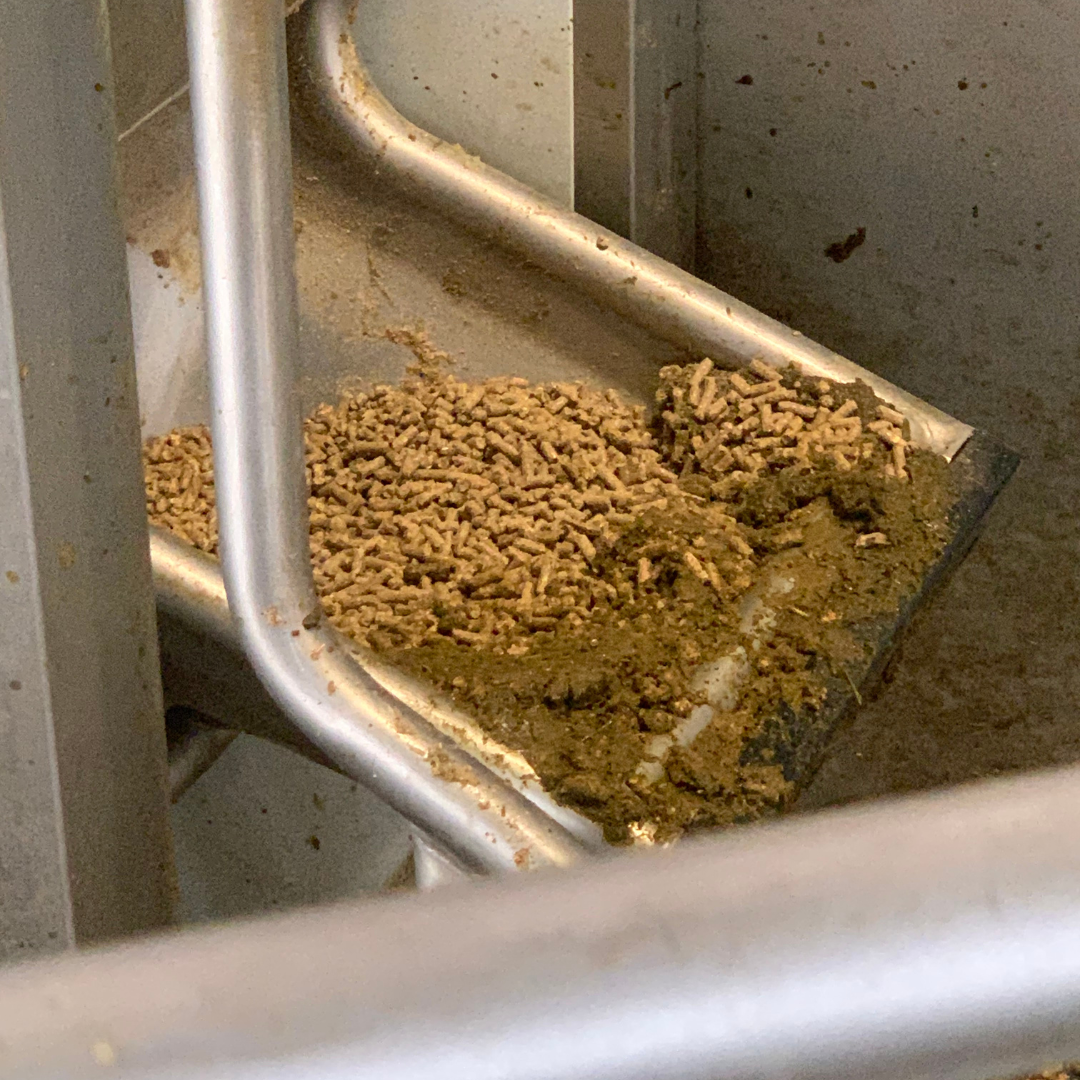
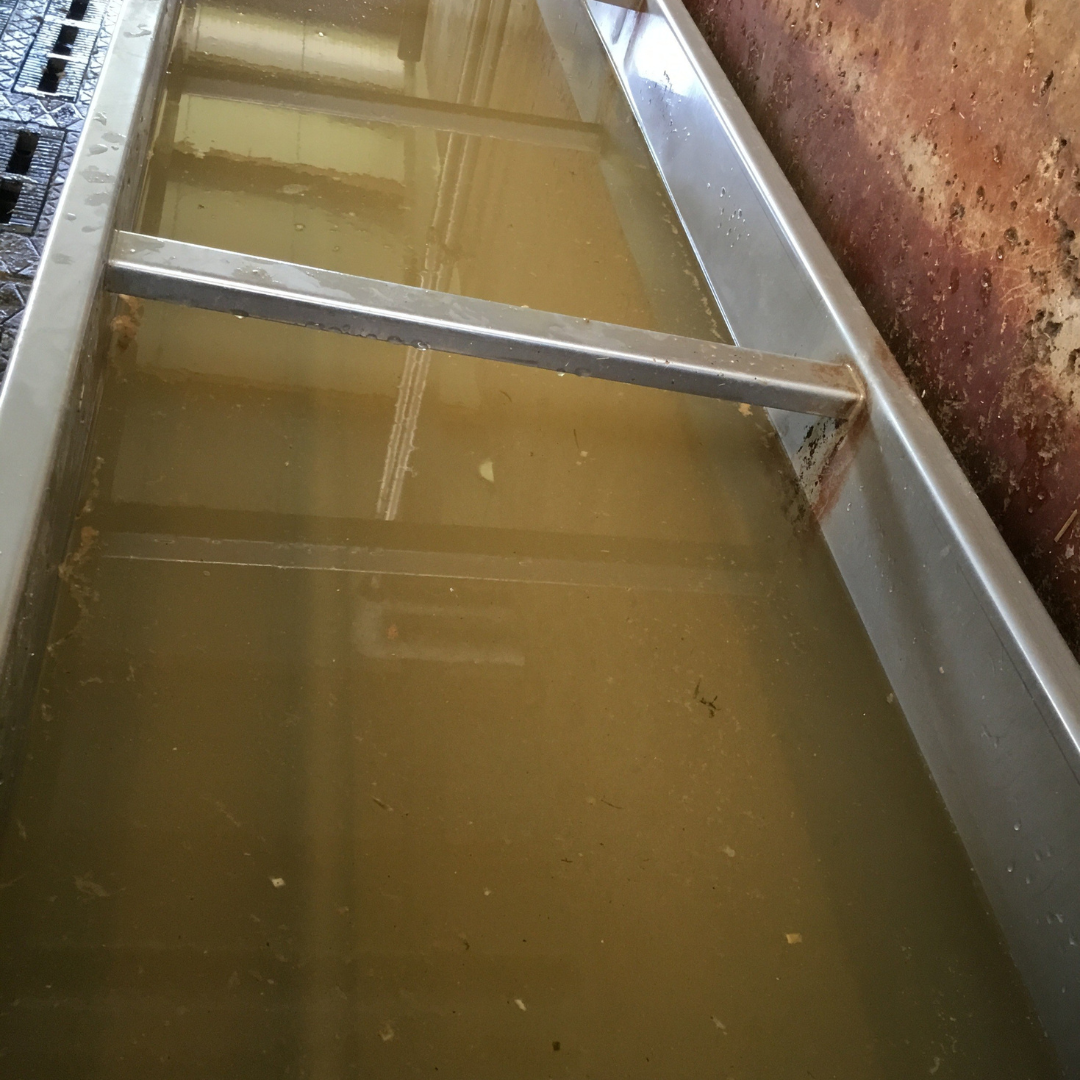
- Regular cleaning of the drinking troughs to prevent biofilm formation
- Good water quality (the quality of surface water, well water or cistern water must be tested at least once a year)
- Poor water quality can be recognised by the increased formation of biofilm → Drinking troughs must be cleaned much more frequently
Take immediate action to address:
· Reduced feed intake
· Low milk yield
· Drinking urine or licking puddles of slurry
· Congestion in the drinking area/at the drinking troughs
· Heavy biofilm build-up despite regular and thorough cleaning
· Red/orange discolouration of the drinking water
· Diarrhoea
· Hard faeces
Water supply
Observing the animals
Regular and thorough observation of the animals is essential for identifying potential problems quickly and responding to them. The animals should be observed regularly, and this should be firmly integrated into the daily or shift routine.
It is always important to interact with the animals in a calm and stress-free manner. It is important to be familiar with normal behaviour so that even slight deviations from it can be spotted.

Important
Take immediate action to address:
· Individual animals block feeding areas or watering points
· Younger animals standing apart, not daring to approach feeding and/or watering points
· Presence of wounds or injuries (particularly if cows with horns are in the group)
· Restlessness or nervous reactions to animal caregivers
· Complications during calving (e.g. delayed labour, assisted delivery, stillbirths)
· Injuries in newborn calves
· Lameness
· Spreading of the legs, particularly around the time of calving
· Laboured breathing
· Coughing

Summary
The course of the transition period has a decisive influence on calving and the subsequent lactation. Key factors include the location of the animals, the feeding regime—including water supply—and the management of the dry period.
Through regular and careful observation of the animals, problems in this area can be identified quickly and their causes addressed.
As a caregiver, you can support a cow in the transition period by
- Observing the behaviour of the animals concerned at least once a day
- Monitoring their feed intake
- Cleaning the drinking troughs daily and checking that they are working properly
- Keeping the bedding areas, and where applicable the exercise areas, clean
- Ensuring that the animals are handled in a calm and stress-free manner
Quiz to check your understanding